






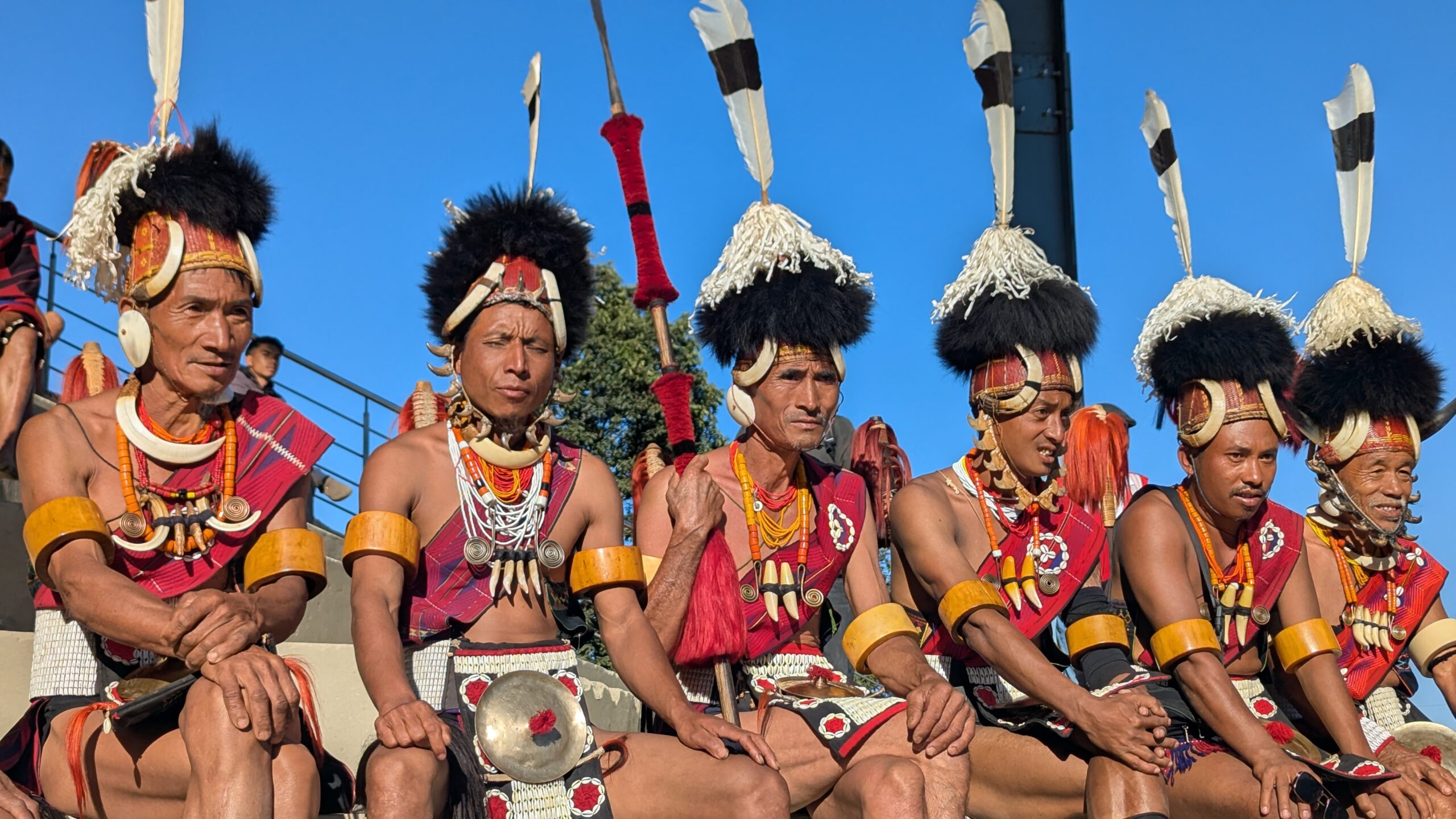
What began in 2000 as a quiet effort to keep a fading way of life alive has grown into one of India’s most loved cultural gatherings — and its truest purpose runs far deeper than the performances on stage.
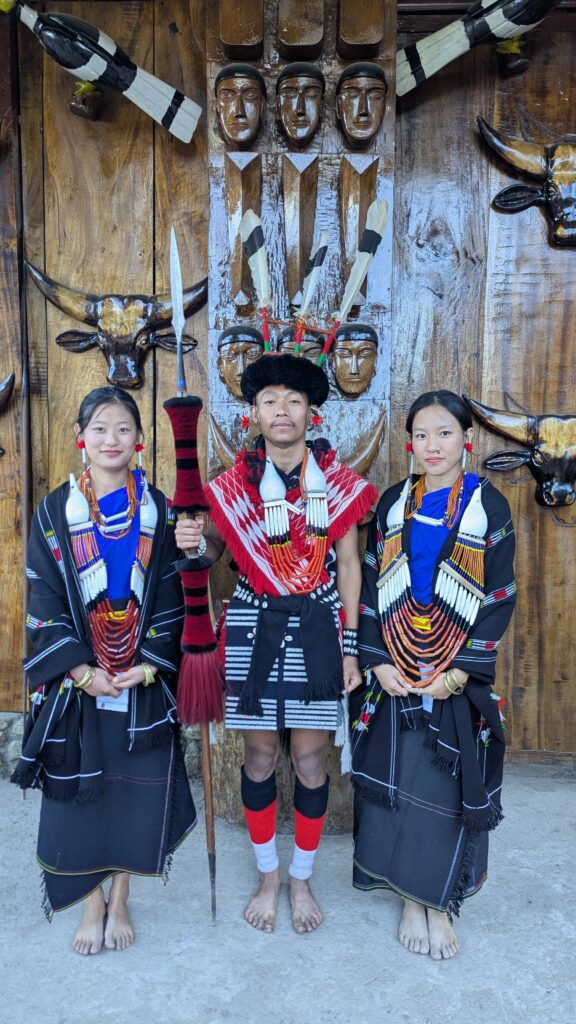
The Kisama Heritage Village comes alive each December. The Hornbill Festival’s main venue, where all seventeen major Naga tribes gather to celebrate and showcase their unique identities.
Every December, thousands of visitors make their way to Nagaland for the spectacular Hornbill Festival. They come for the vibrant dances, colourful tribal attire, traditional music, local cuisine, and the infectious festive atmosphere.
But beneath the celebration lies a much deeper purpose. The Hornbill Festival wasn’t created merely as a tourist attraction. It was born out of a desire to preserve a cultural heritage that was quietly slipping away.
A Changing World
Nagaland is home to seventeen major tribes and many sub-tribes, each with its own language, customs, festivals, songs, folklore, architecture, and traditional dress.
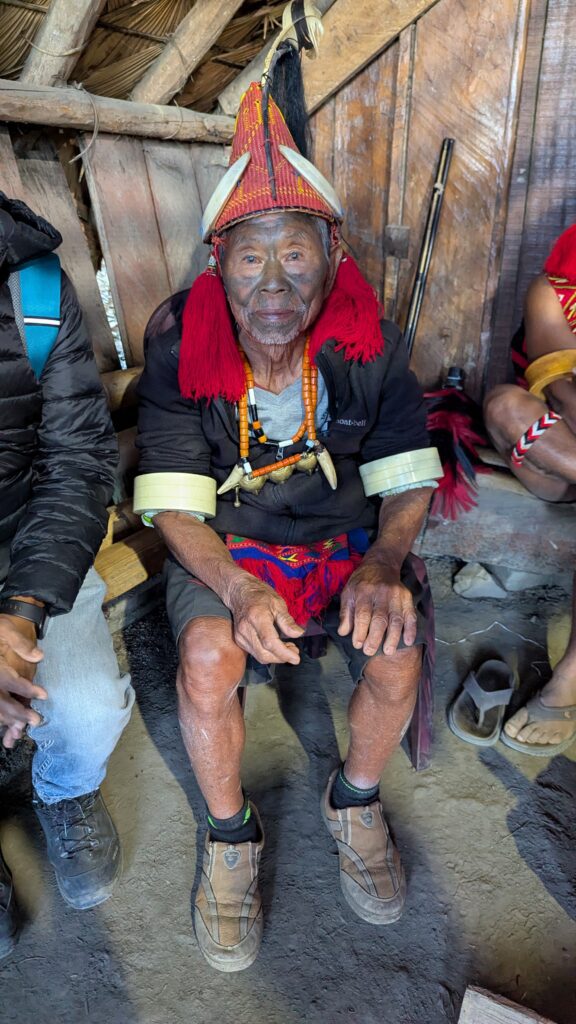
For centuries, these traditions were passed down orally—from grandparents to grandchildren, from village elders to young warriors growing up in Morungs (learning centres for youth), and through community festivals and ceremonies.
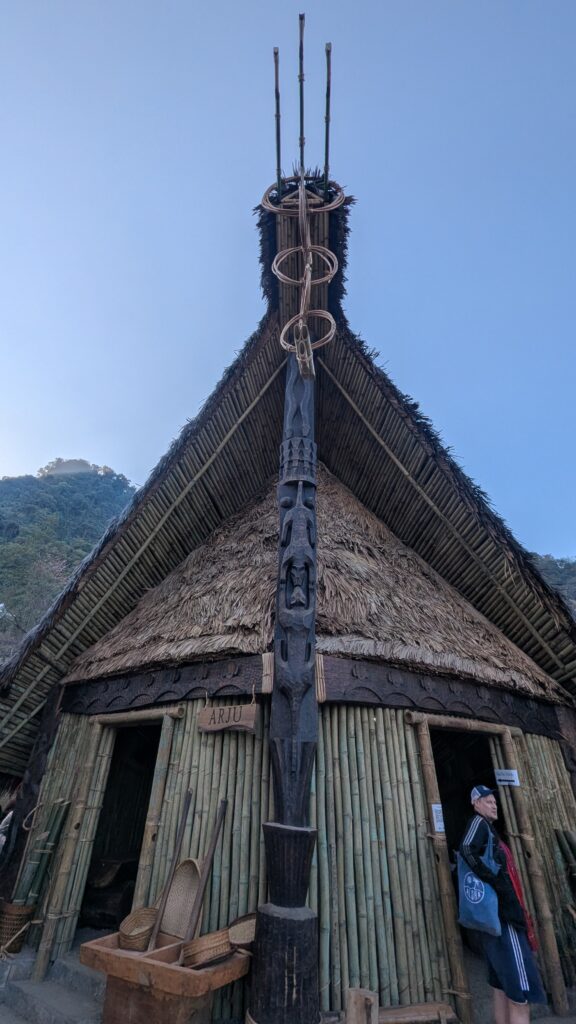
The Morung, the original classroom. In traditional Naga villages, the Morung was where elders passed down language, folklore and custom to young members of the community.
However, the second half of the twentieth century brought rapid change. Modern education, urbanization, migration, Christianity, and exposure to global culture transformed everyday life. Many traditional festivals became less central to village life, younger generations moved to towns and cities, and many customs began to fade.
There was a growing concern that an extraordinary cultural legacy could be lost within a generation.
The Birth of the Hornbill Festival
In 2000, the Government of Nagaland launched the Hornbill Festival with a simple but powerful vision: create one platform where the state’s diverse tribes could come together each year to celebrate and showcase their unique identities.
The festival was named after the Great Indian Hornbill, a magnificent bird revered in many Naga traditions. Its feathers and imagery have long featured in ceremonial headgear and folklore, making it a fitting symbol of the state’s cultural richness.
Rather than replacing traditional village festivals, the Hornbill Festival complements them by bringing the many cultures of Nagaland together in one place.
Keeping Traditions Alive
Today, the festival serves as a living museum where nothing is behind glass!
Visitors witness traditional dances that tell stories of harvests, victories, and community life. Skilled artisans demonstrate wood carving, weaving, basket making, and blacksmithing. Musicians perform age-old folk songs alongside contemporary rock bands, reflecting how tradition and modernity coexist in modern day Nagaland.
Traditional sports, indigenous cuisine, storytelling, and local crafts all find a place at the festival, ensuring that these practices remain relevant rather than becoming forgotten relics of the past.
For many young Nagas, the festival is also an opportunity to reconnect with their own heritage and learn customs that they may not encounter in everyday urban life.
A Festival That Builds Bridges
Perhaps the Hornbill Festival’s greatest achievement is that it has helped change how Nagaland is perceived.
For many years, the state remained one of India’s least understood destinations. Today, visitors from across India and around the world leave with a deeper appreciation of its diversity, warmth, and vibrant culture.
The festival has become a meeting point—not just between tribes, but between locals and travellers, tradition and modernity, and the past and the future.
Preserving Culture Through Experience
Culture survives when it is lived, celebrated, and shared.
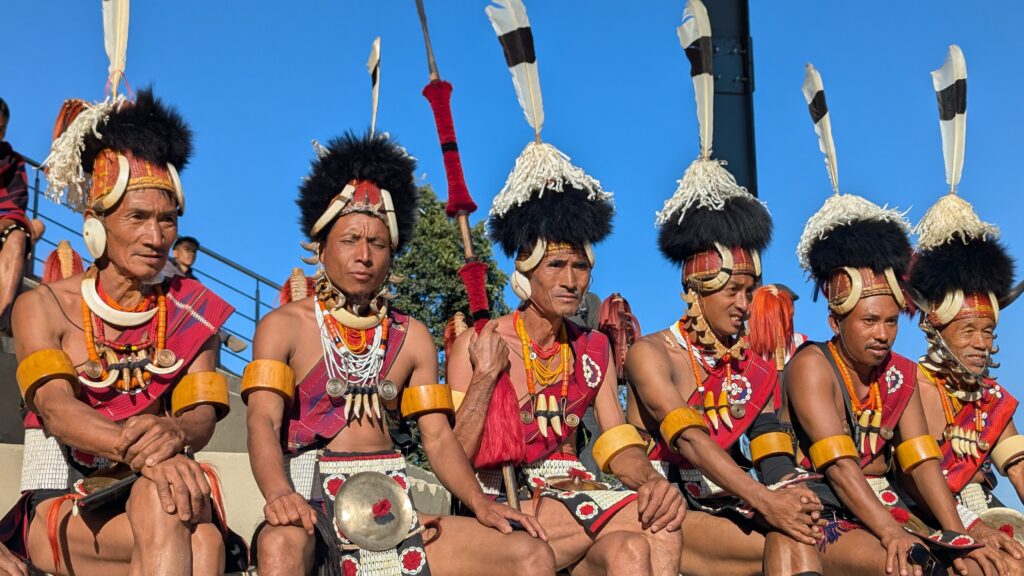
A living museum where nothing is behind glass. Tradition and modernity side by side — the festival’s truest mission.
The Hornbill Festival is not simply about colourful performances on a stage. It is about ensuring that languages continue to be spoken, songs continue to be sung, stories continue to be told, and crafts continue to be practised.
For travellers, it offers something increasingly rare: the chance to experience a culture that is proudly preserving its roots while confidently embracing the future.
And perhaps that is the festival’s greatest success—not preserving the past exactly as it was, but keeping its spirit alive for generations to come.