


Trip Advisor
-
 An experience worth having - An experience that should not be missed is how I would describe what I felt. The way the team makes you feel at home, very aware of how each member... read more

 Ramesh V
October 19, 2026


Ladakh Walking Holiday
Ladakh Walking Holiday

Description
Upcoming Trips:
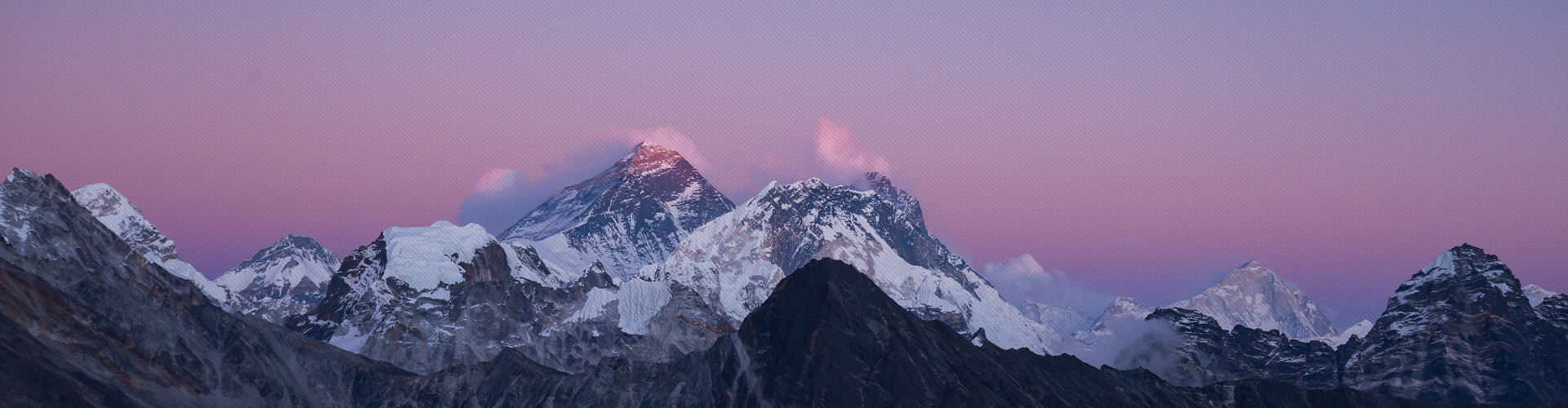
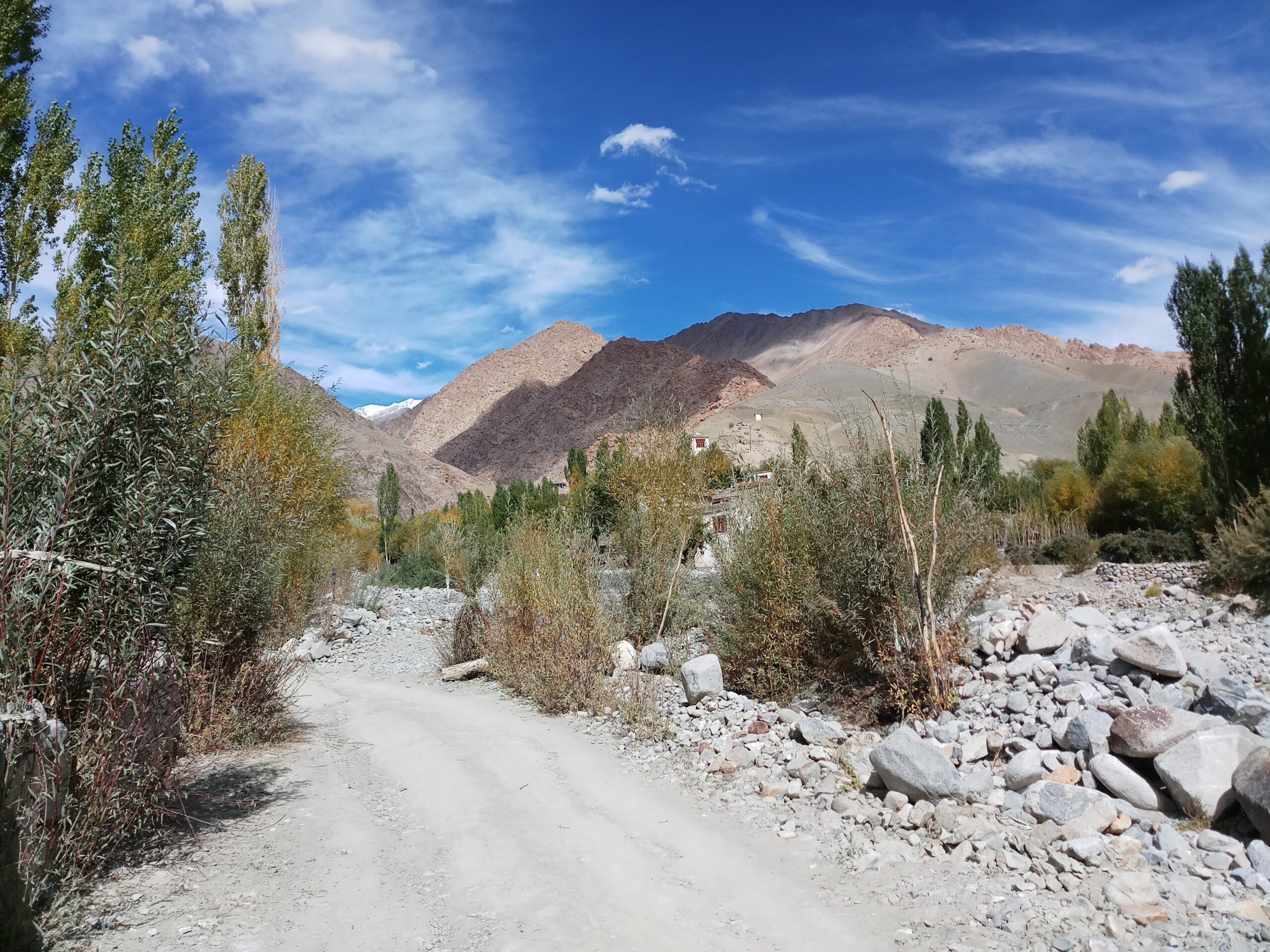
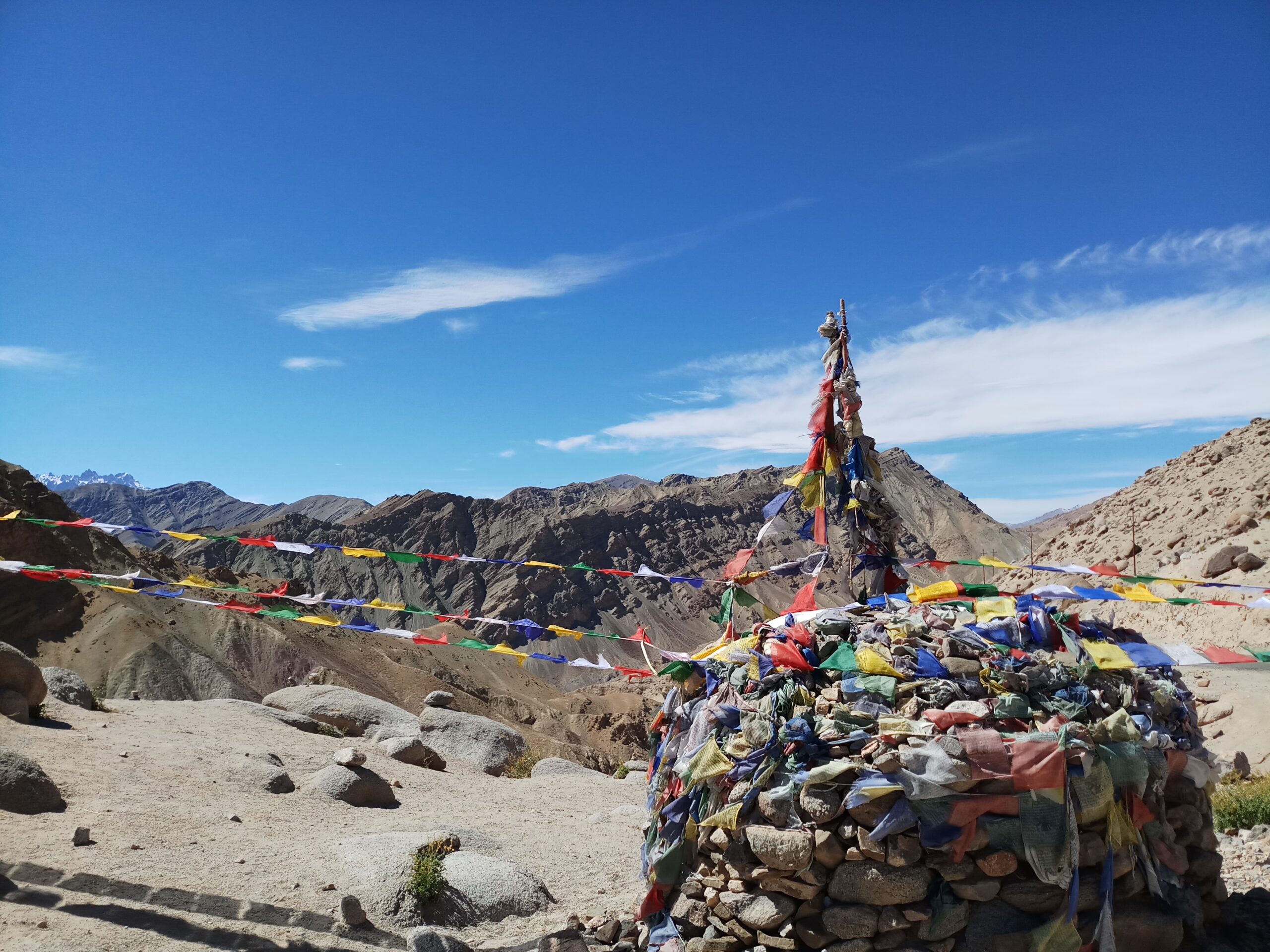
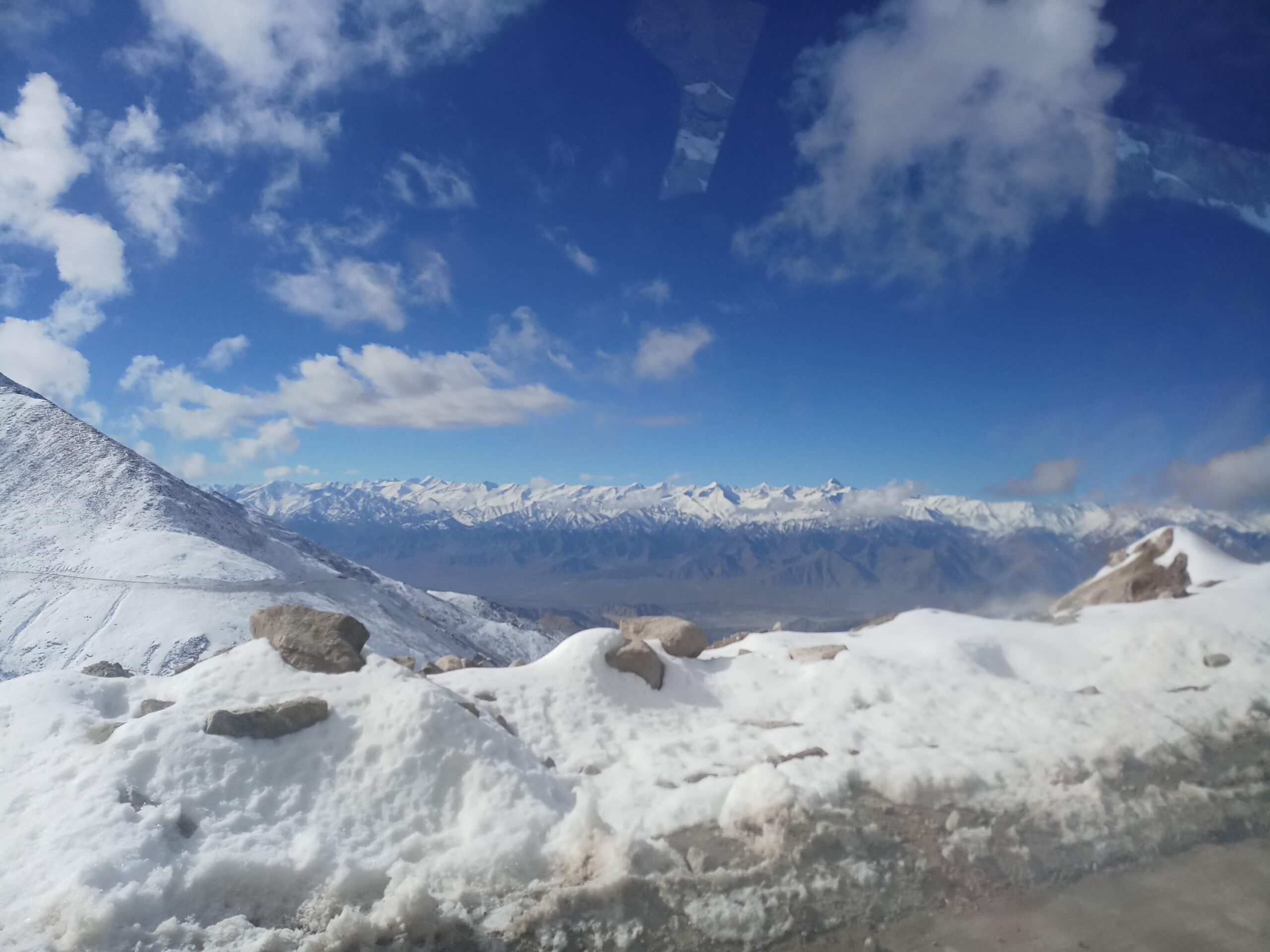
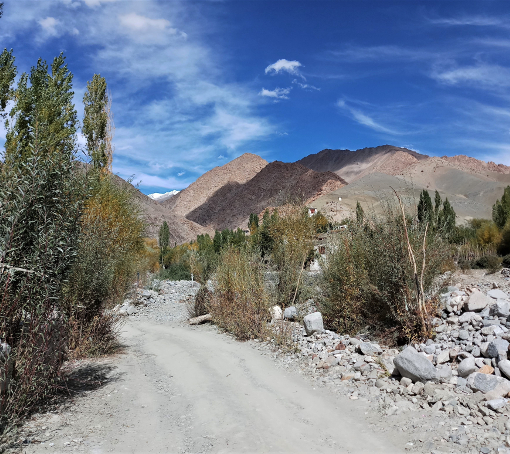
The word ‘Ladakh’ is derived from Tibetan and it means the land of high passes. What an apt name where passes above 5000m are commonplace! This high-altitude arid region is one of the few regions in the world where the predominant religion is Tantric Buddhism. Jagged rocky mountains, clear blue skies, high-altitude lakes, monasteries perched on mountain tops, fluttering prayer flags are what define the landscape of this little paradise.
In this carefully curated trip, explore the monasteries and other important sights in Leh before moving to Nubra, a neighbouring valley that enjoys a salubrious climate, being at a lower altitude. Top it off with a 3 day trek in Sham valley – a stunningly beautiful trek that is one of the shortest multi-day treks in a valley that is not too far from Leh.
Trip Highlights
- Crossing Khardungla pass, the highest all-weather motorable pass in the world
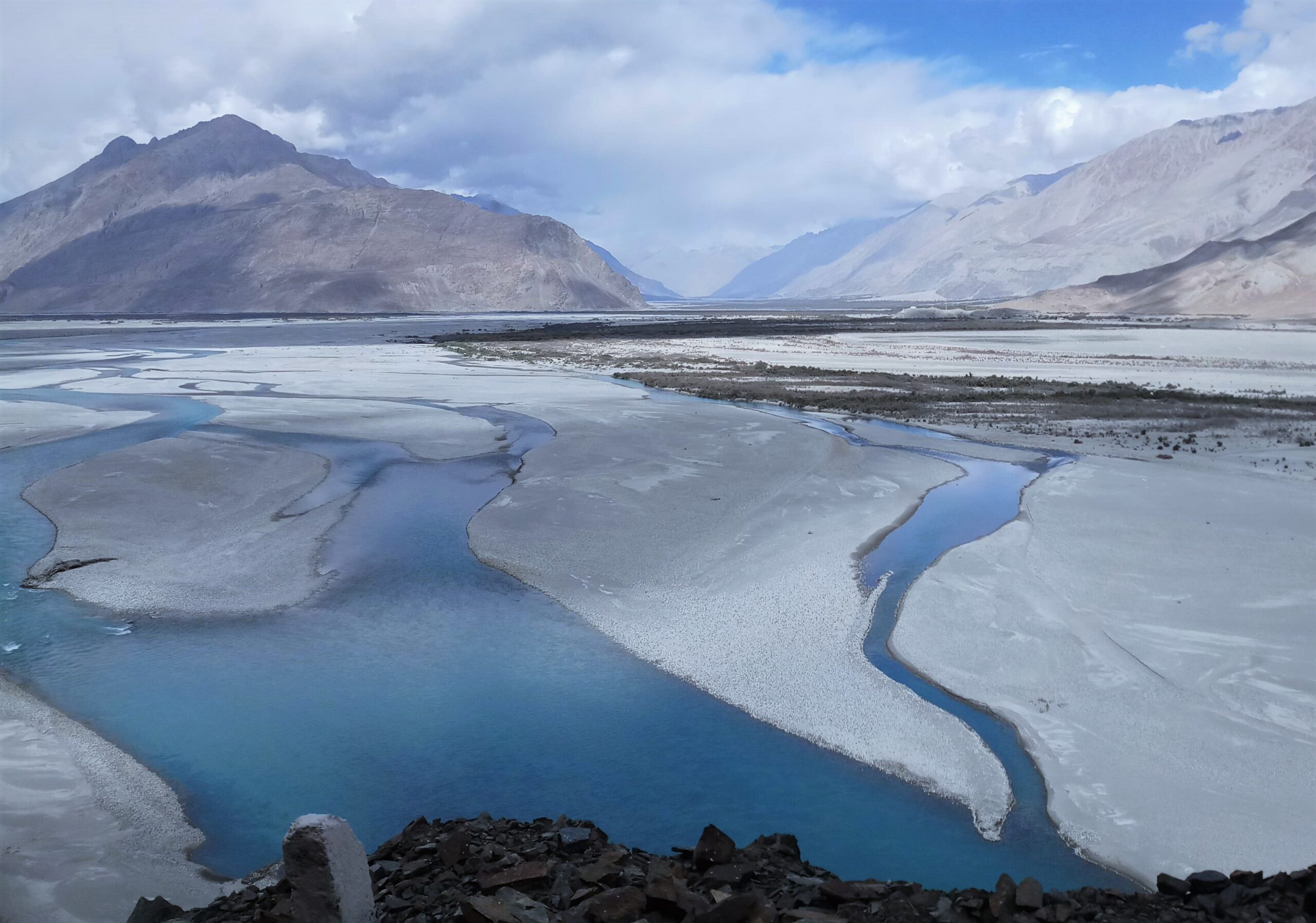
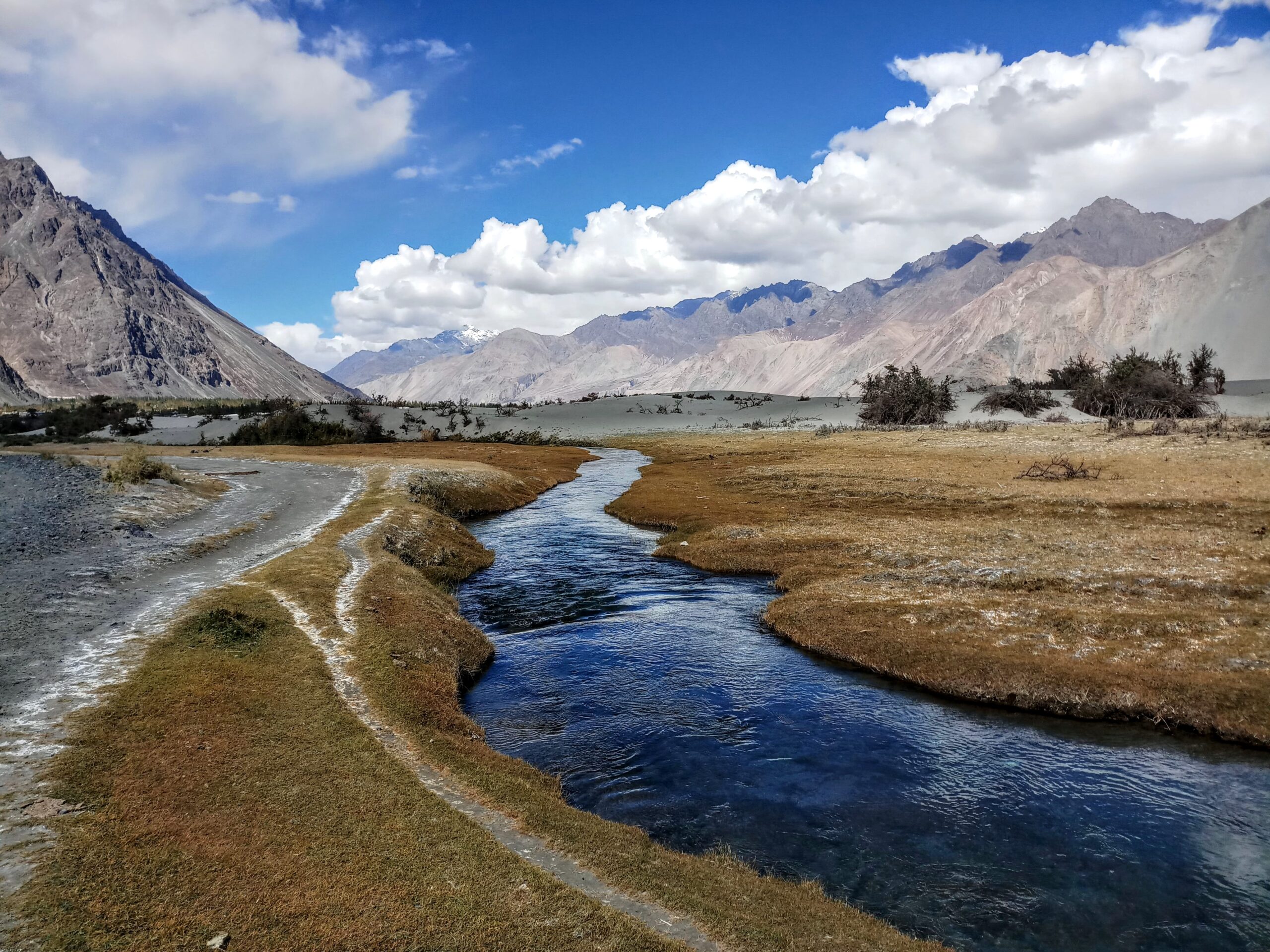
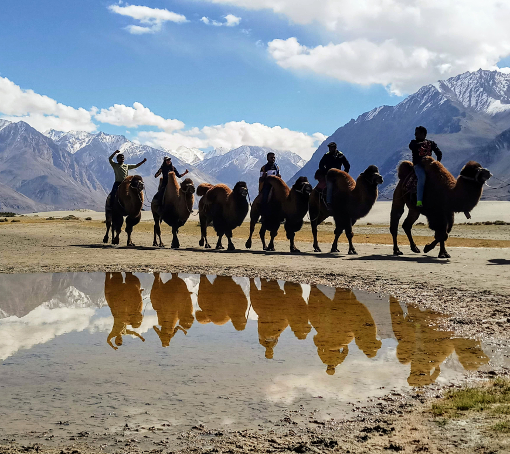
- Stunning beauty of Nubra valley including its white sand deserts
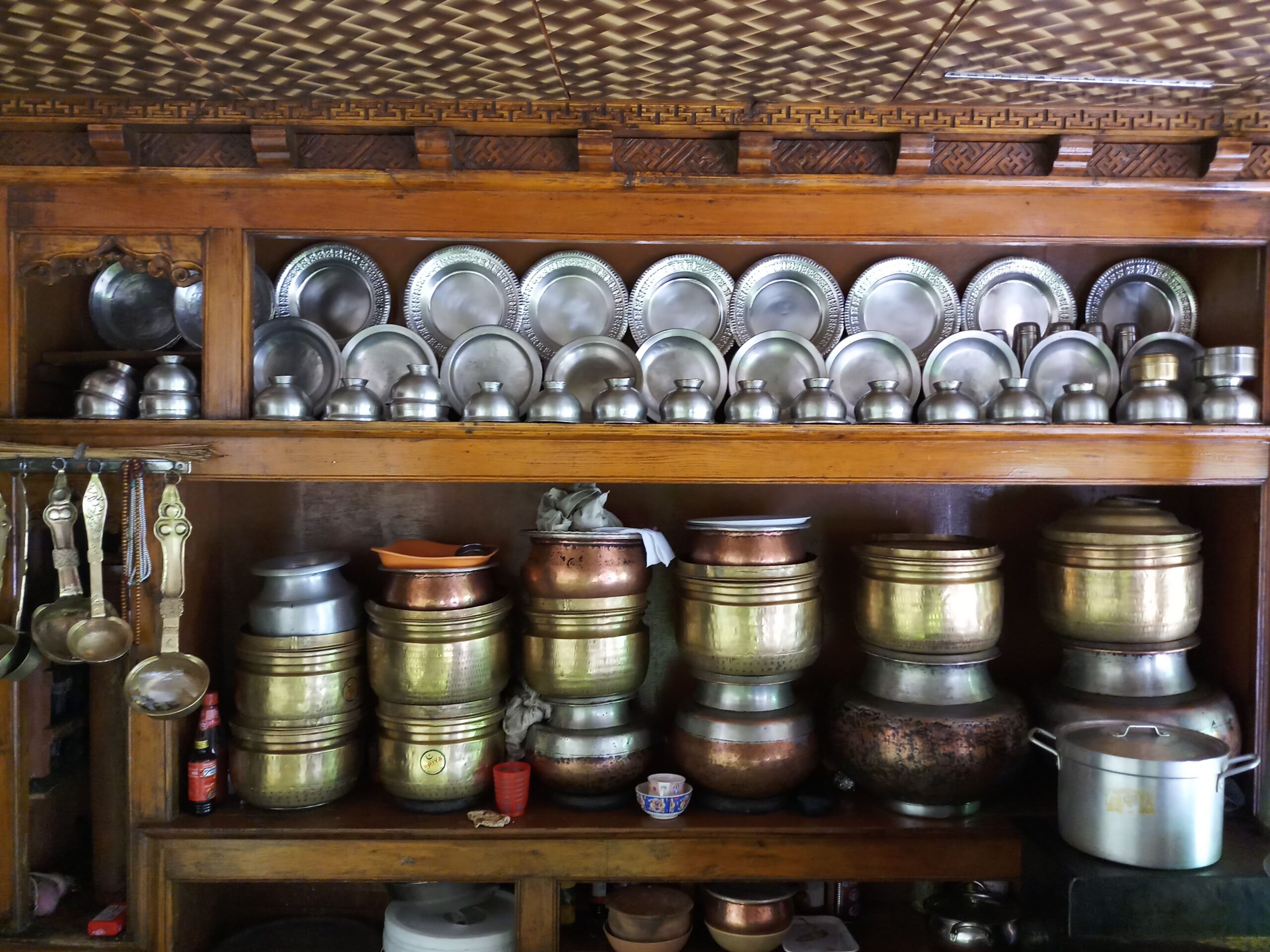
- Authentic Ladakh village stays and experiencing traditional Ladakhi hospitality
- Basic but comfortable family-run homestays in Sham Valley
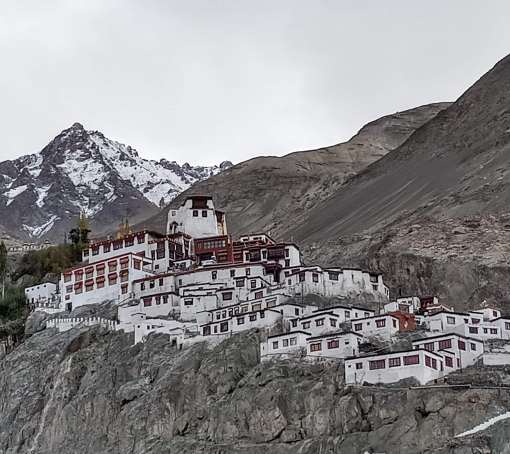
- Beautiful monasteries and ancient villages
- Apricot and apple orchards
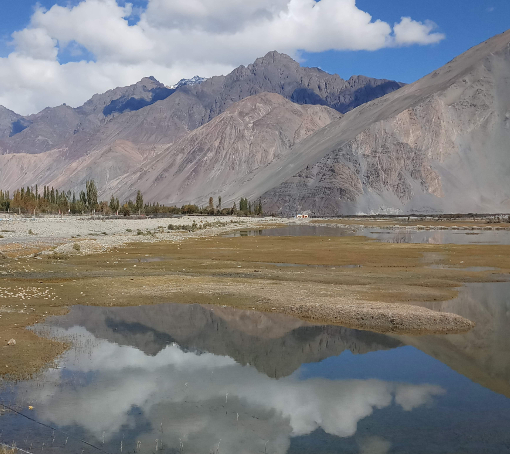
- Spectacular mountain and valley views
Main Challenges:
- Acclimatization
- Sun feels harsh even though temperatures may be low
- Limited shade along the trail
- Loose sandy sections during descents
Itinerary
- Day 1Landing in the Land of High Passes
- Day 2Jullay, Leh! Palaces, Prayer Wheels and Old Town Lanes
- Day 3Touching the clouds! Drive from Leh to Diskit via Khardungla. Trek to Hunder
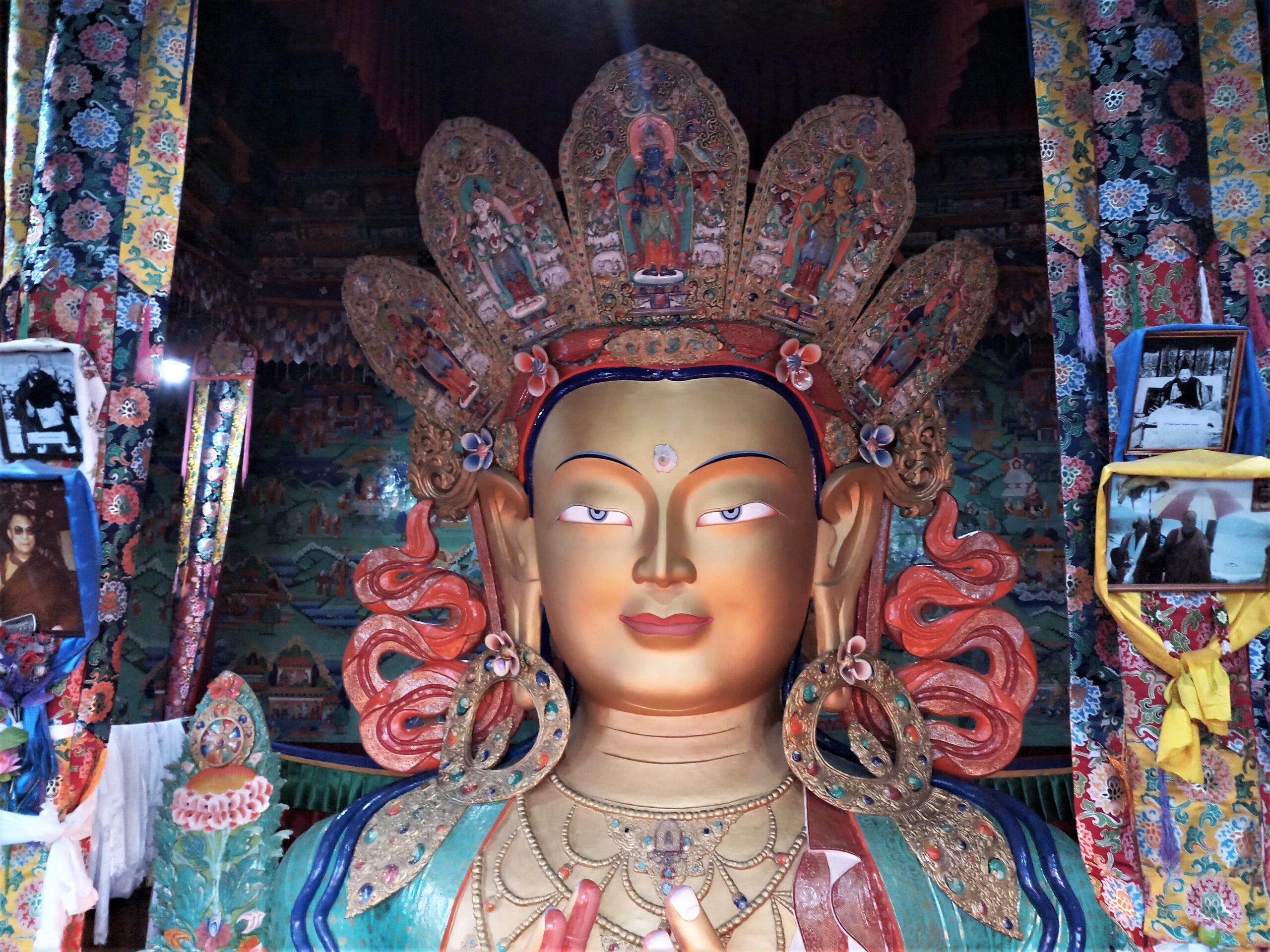
- Day 4Maitreya’s Gaze, Then Back Across the Pass. Drive from Hunder to Likir
- Day 5Into the Stark Mountains: Likir to Yangthang Trek from Likir to Yangthang (10 km, 5 to 6 hours)
- Day 6Into Photographer's Paradise. Trek from Yangthang to Hemis Shukpachen (8km, 4 to 5 hours)
- Day 7Trek from Hemis Shukpachen to Tingmosgang (10 km, 5 to 6 hours)
- Day 8 Jullay, Ladakh! Farewell to the High Passes. Drive from Tingmosgang to Leh airport
Inclusions
- Accommodation on a double/twin-sharing basis – 2 nights in a farmstay, 1 night at a resort in Hunder, 1 night at a hotel in Tingmosgang and 3 nights in homestays
- Ground transport – from Leh airport to Leh airport, by Tempo Traveller. All tolls, parking etc. included
- Breakfast and dinner on all days
- Packed lunch while trekking in Sham valley (Days 5, 6 and 7)
- Trip leader and guide
- Basic first-aid with oxygen cylinder
- All required permits
Gallery
FAQ
What kind of accommodations are provided during the trek?
There is a variety of accommodations on this trip. The first two nights will be at a farmstay near Leh. This will give you an opportunity to observe local culture, traditions and farming practices. You will stay at a charming resort near Shyok river in Hunder. The accommodation in Sham Valley will be in homestays, except in Tingmosgang where it will be in a village hotel.
What will the weather be like?
The max temperature varies between 18 to 24 deg C. The min temperatures will be between 5 and 9 deg C. But note that it will be colder during the shoulder season (May and end-Sep). Also, it will be colder in Sham valley compared to the other places.
Will there be clean toilets and bathrooms in all places?
Yes, there will be clean, western toilets and bathrooms in all places on this trek. However, attached toilets may not be available at the homestay in Yanthang.
My children are younger than 10. Will they be able to do this trek?
The recommended minimum age for doing this trek is 10. However you are the best judge. If your child is physically active and is used to walking long distances, he or she should be able to do it. Adequate preparation is necessary though.
What kind of preparation is recommended for participants?
Brisk walking – at least 3 km, at least 3 or 4 times a week, preferably on hilly terrain.
Stair-climbing – at least 15 minutes of climbing up and down stairs everyday.
Pranayama/breathing exercises also help in building lung capacity, and therefore coping better at higher altitudes
Will hot water for bathing be available at all places?
Hot water will be available on request at the homestays in Sham valley. Running hot water will be available in all the other places.
Are laundry facilities available?
There are no laundry facilities available anywhere on this trek except in Hunder.
Do we have to carry our own luggage?
No, you will only need to carry a backpack in order to carry some water, some eats, personal medicines etc. We will use a vehicle to move luggage between stops.
Can I use sports shoes or do I need to buy trekking shoes?
Trekking shoes are highly recommended since they have a better grip and provide better protection to your feet. It is very important that you break-in new shoes before coming on the trek.
Do all the places where we will be staying have electricity?
All the villages are connected to the grid. However, please get torches or headlamps with extra batteries and power banks for mobile phones as electricity supply in these places can be unreliable.
Is water safe to drink in these places?
Water is safe to drink. However as a precaution, please carry personal water purifiers (Aquaguard and LifeStraw are two popular brands available online).
How is the mobile connectivity on this trek?
Jio works in Nubra and parts of Sham valley (not very reliable though).
All networks work fine in Leh.
PLEASE NOTE: pre-paid SIMs issued outside Ladakh don’t work in Ladakh
What are the things to pack for the trek?
We will send you a trek checklist when you register.
Should I be worried of AMS?
Leh is at an elevation of about 3500 m, so there is a possibility of people developing AMS symptoms. The itinerary includes 2 nights in Leh which is recommended to all tourists, and should help in acclimatization. Diamox can be taken as a precaution. Also, the trip leader will be carrying an oxygen cylinder just in case somebody has difficulty breathing. If somebody has a severe case of AMS, they may have to be admitted to a hospital in Leh which is equipped to deal with such cases.
