


Trip Advisor
-
 An experience worth having - An experience that should not be missed is how I would describe what I felt. The way the team makes you feel at home, very aware of how each member... read more
 Ramesh V
October 19, 2026


Nepal Annapurna Pothana-Dhampus Trek
Nepal Annapurna Pothana-Dhampus Trek


Description
Upcoming Group Trips:
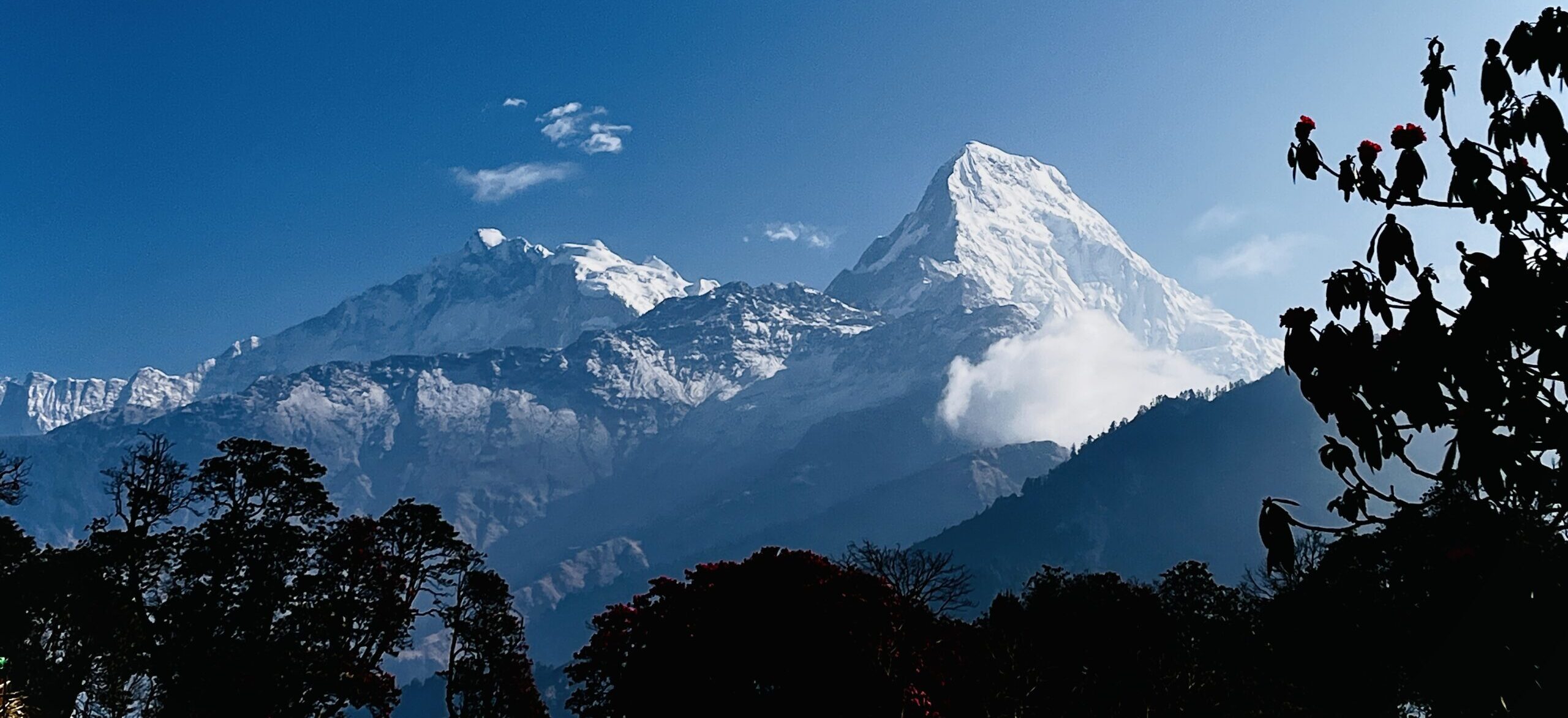
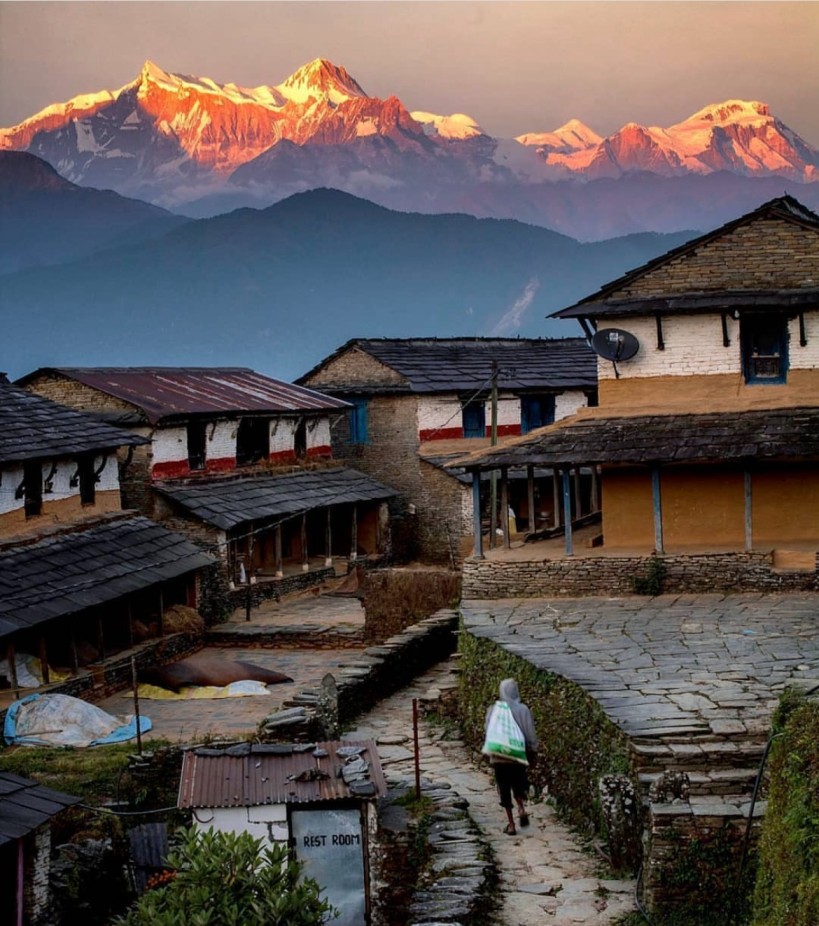
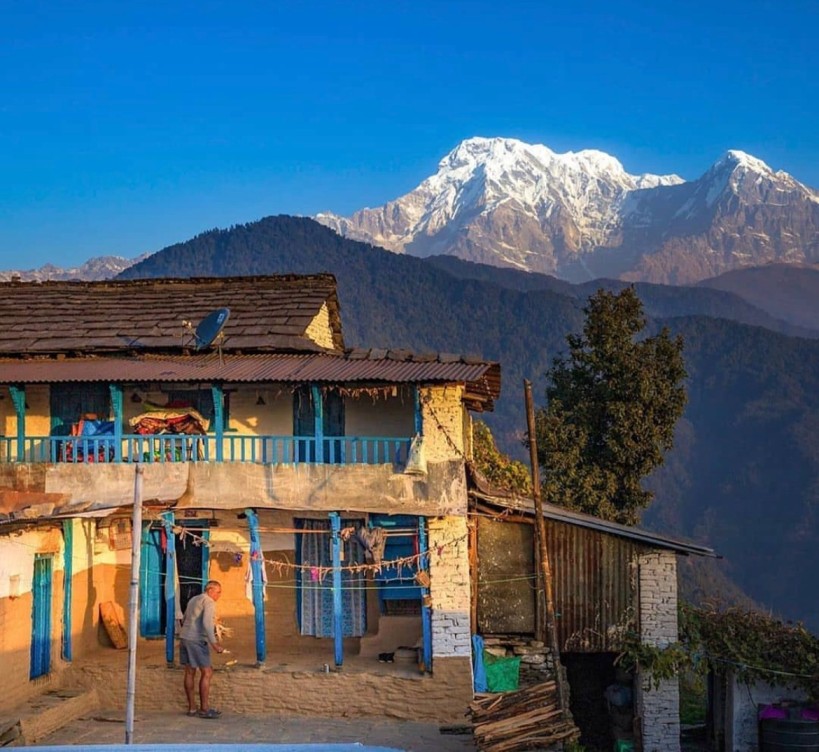
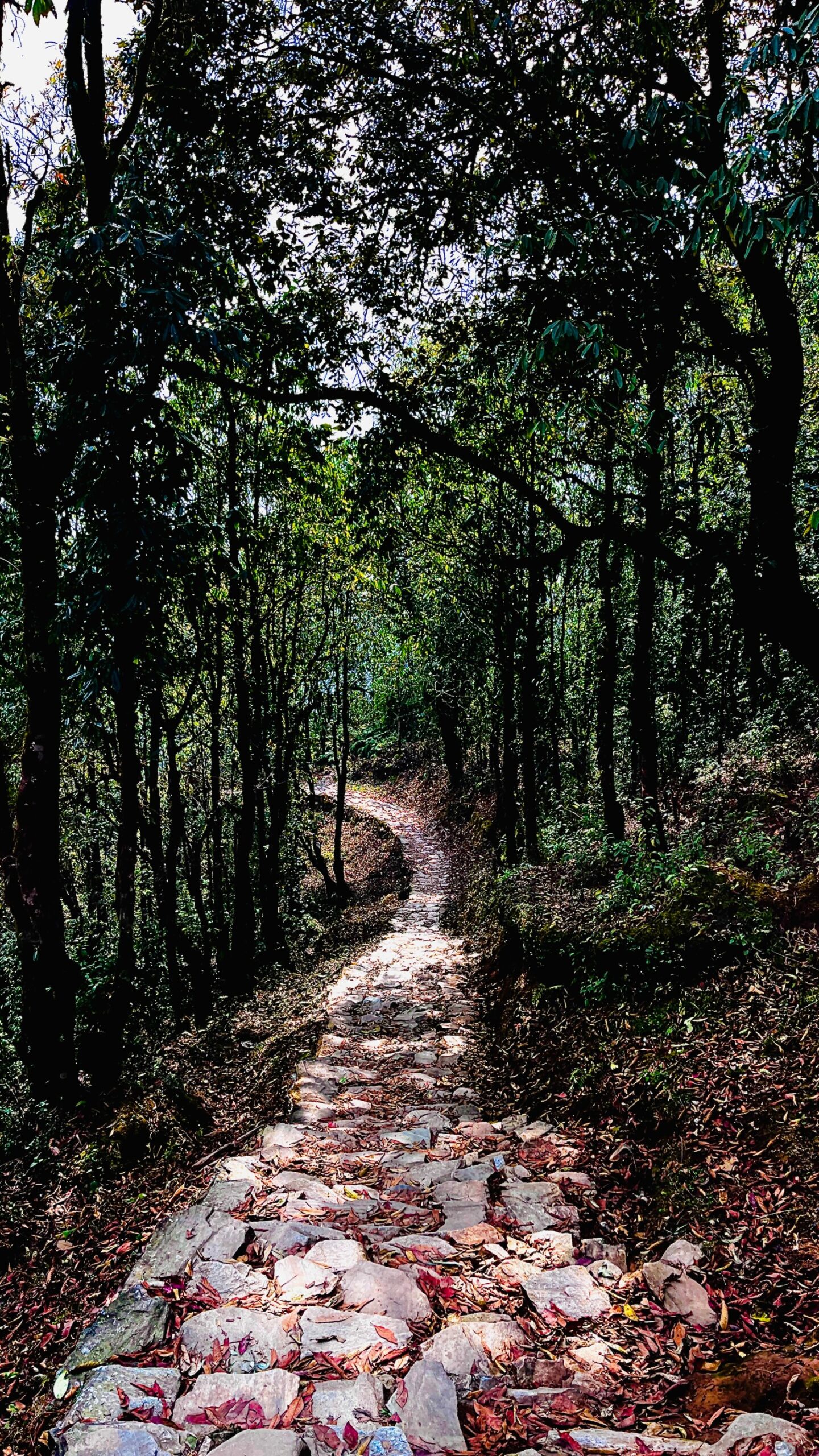
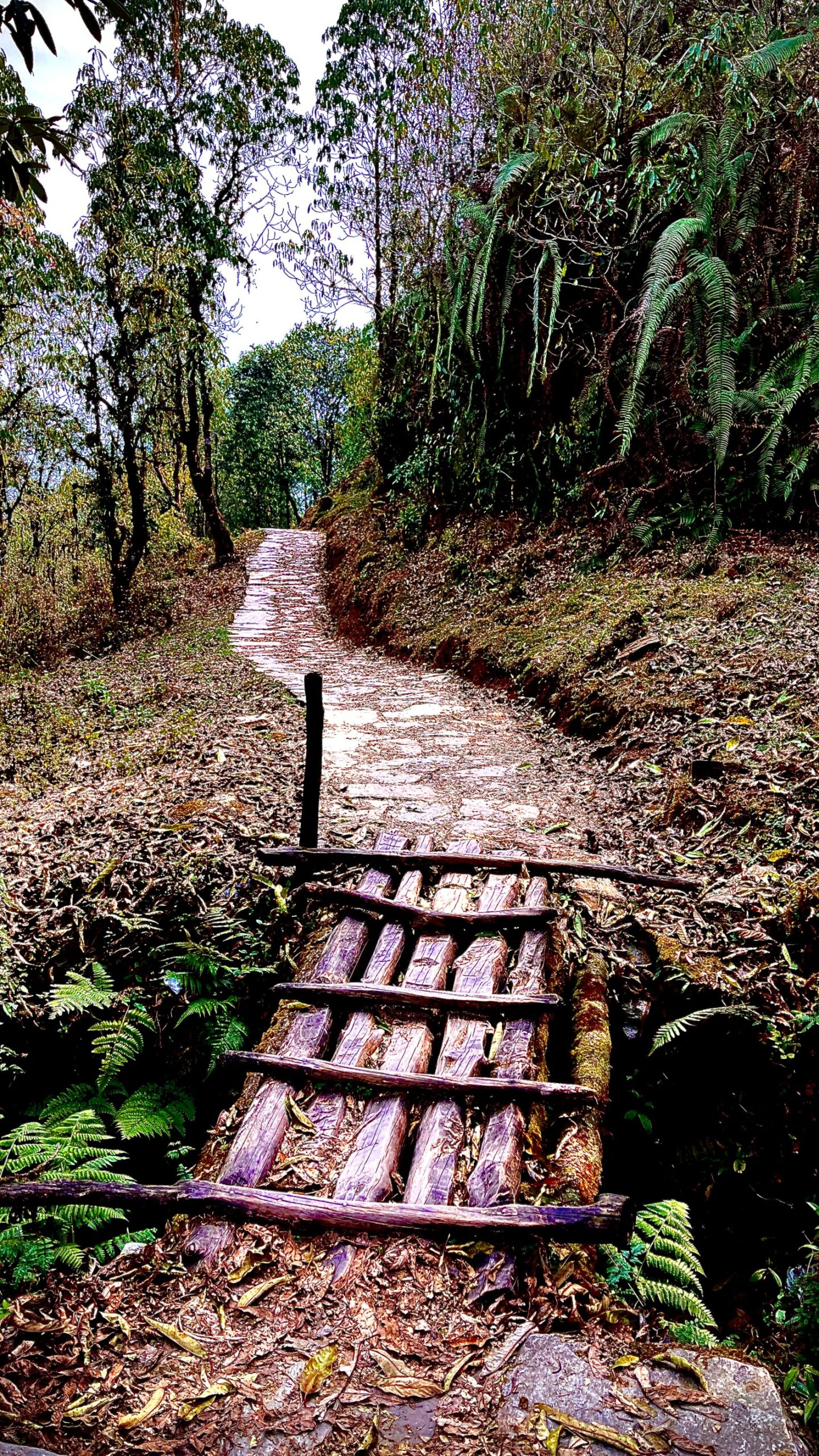
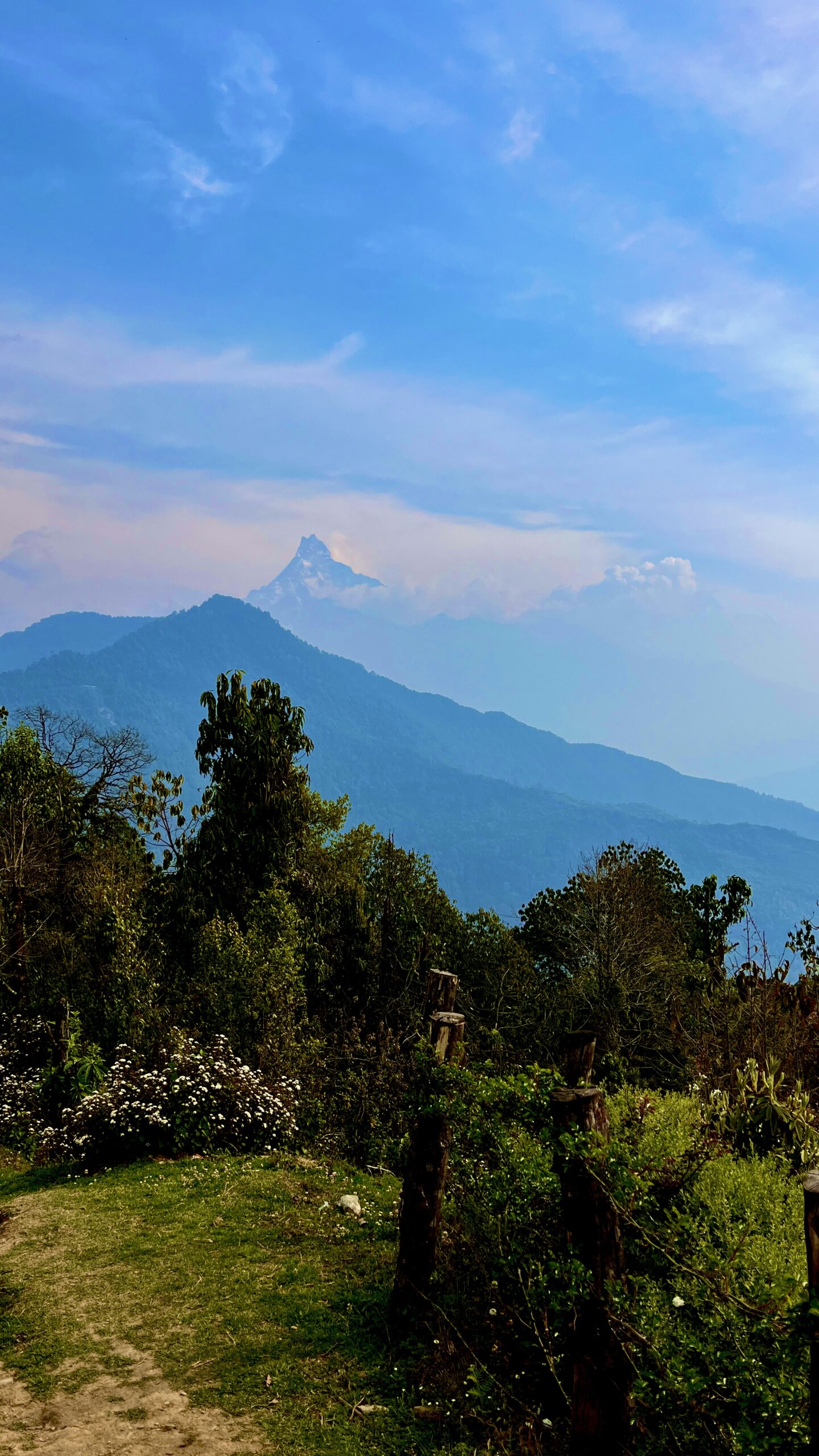
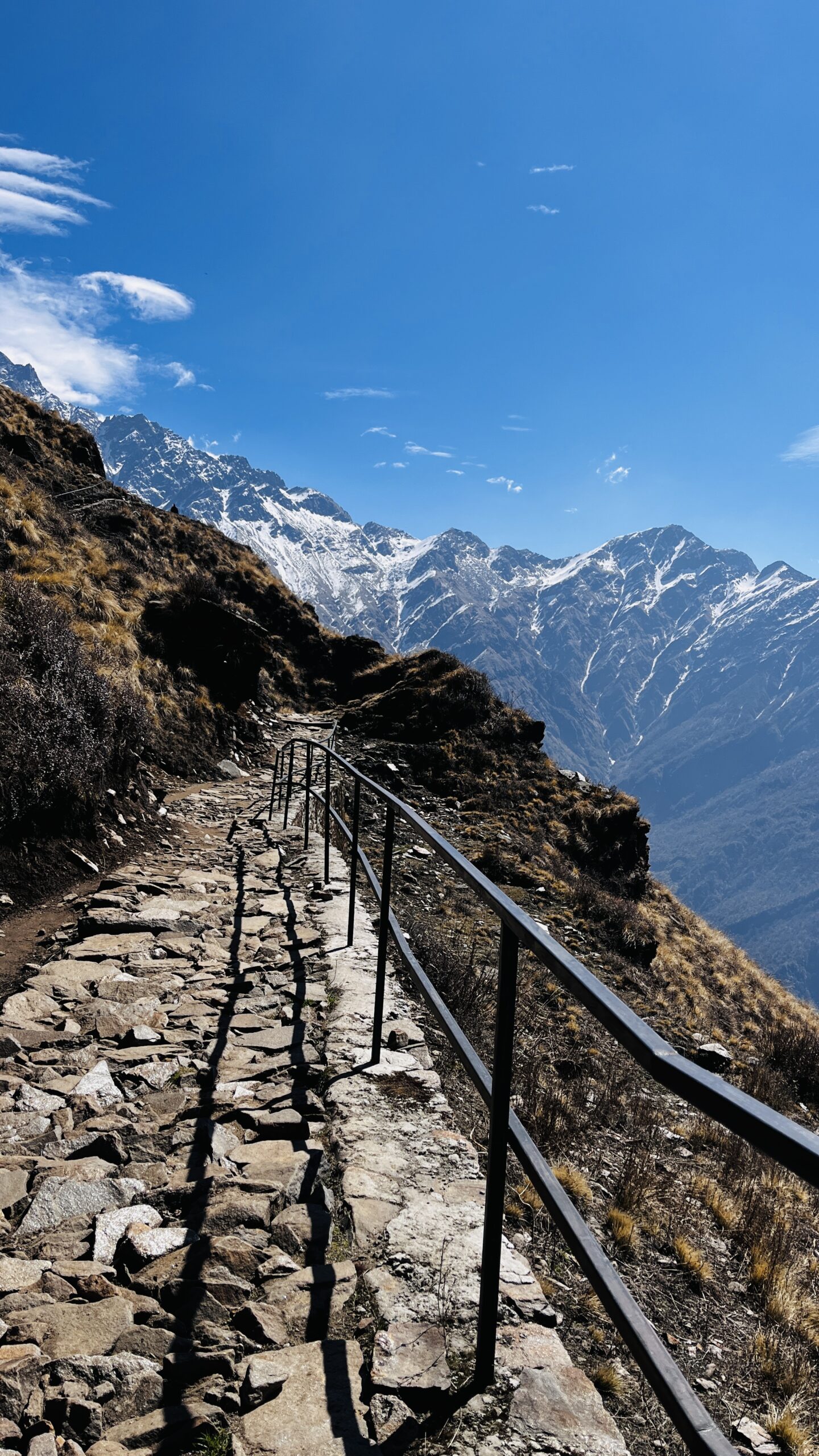
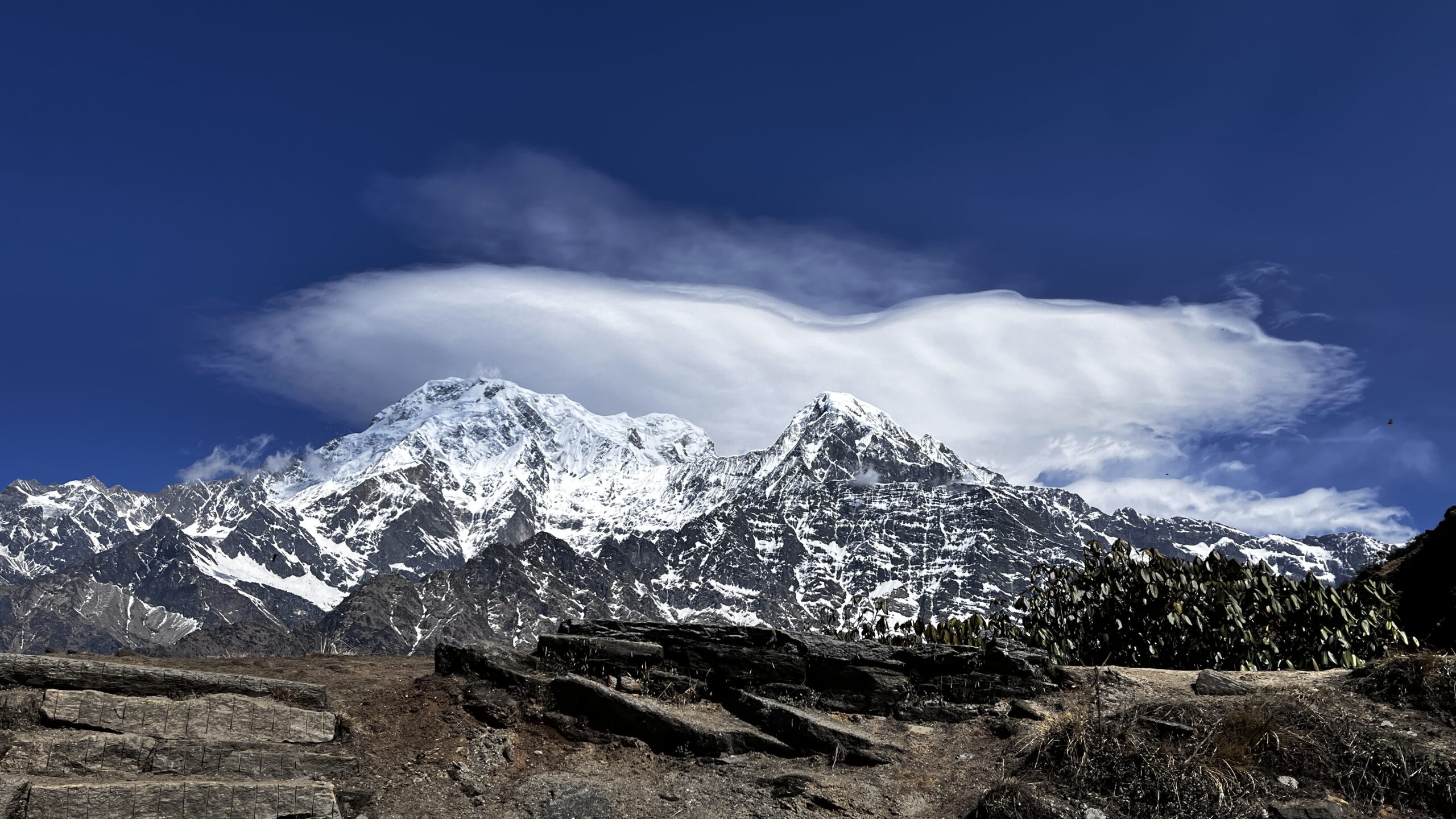
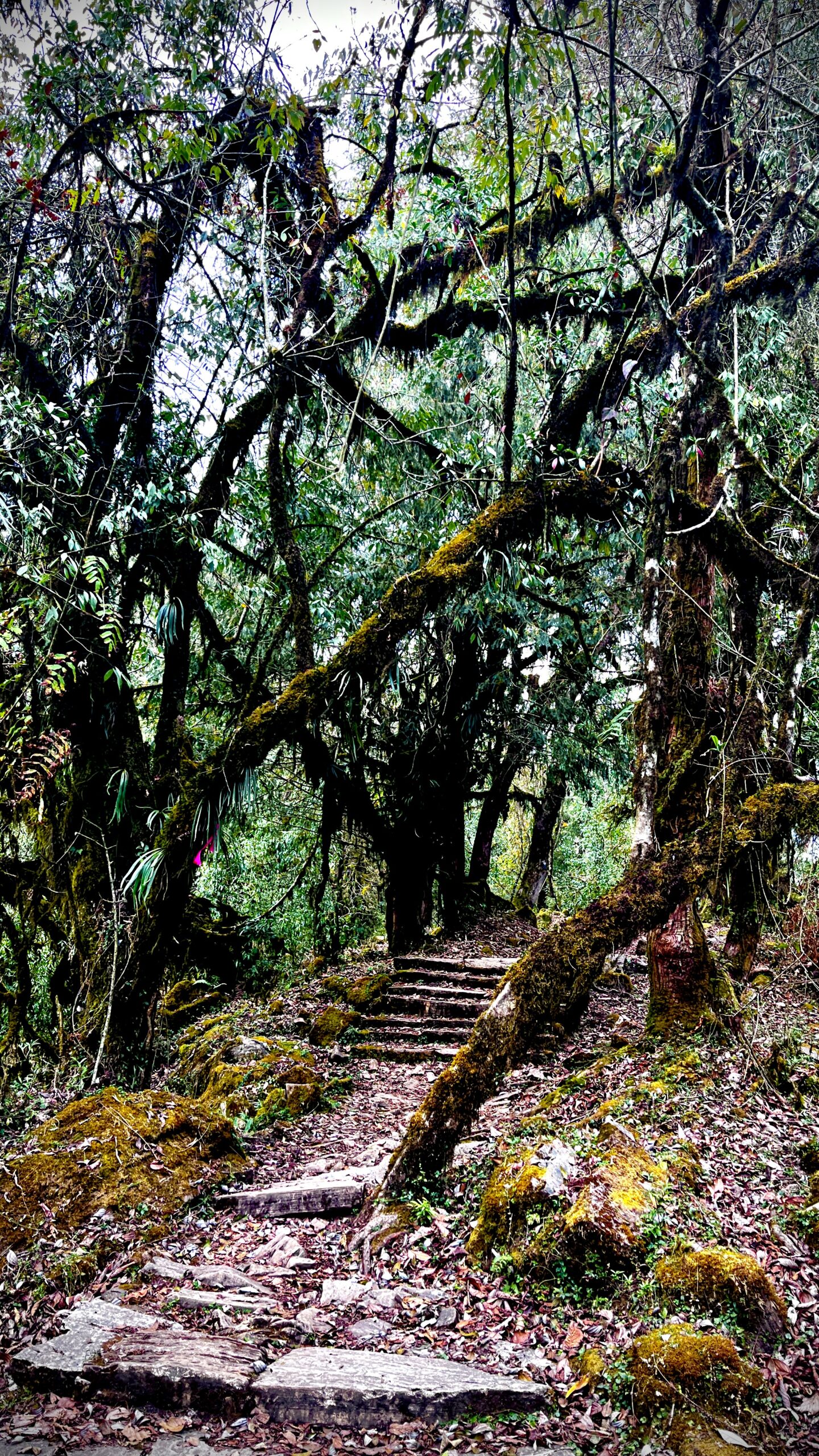
If you’ve always dreamed of trekking in the Himalayas but wondered if you were fit enough, this is the perfect place to begin. The Annapurna Pothana–Dhampus Trek is one of Nepal’s easiest and most rewarding Himalayan walks. Designed for first-time trekkers, families with children, and senior travellers, the route involves just 2–3 hours of gentle walking each day through rhododendron forests, charming Gurung villages and panoramic Himalayan viewpoints. With comfortable teahouses, warm local hospitality and breathtaking views of Annapurna South, Hiunchuli and the iconic Machhapuchare (Fishtail), this journey offers the magic of the Himalayas without the physical demands of a high-altitude expedition.
Itinerary
- Day 1Your City - Kathmandu - Pokhara by flight
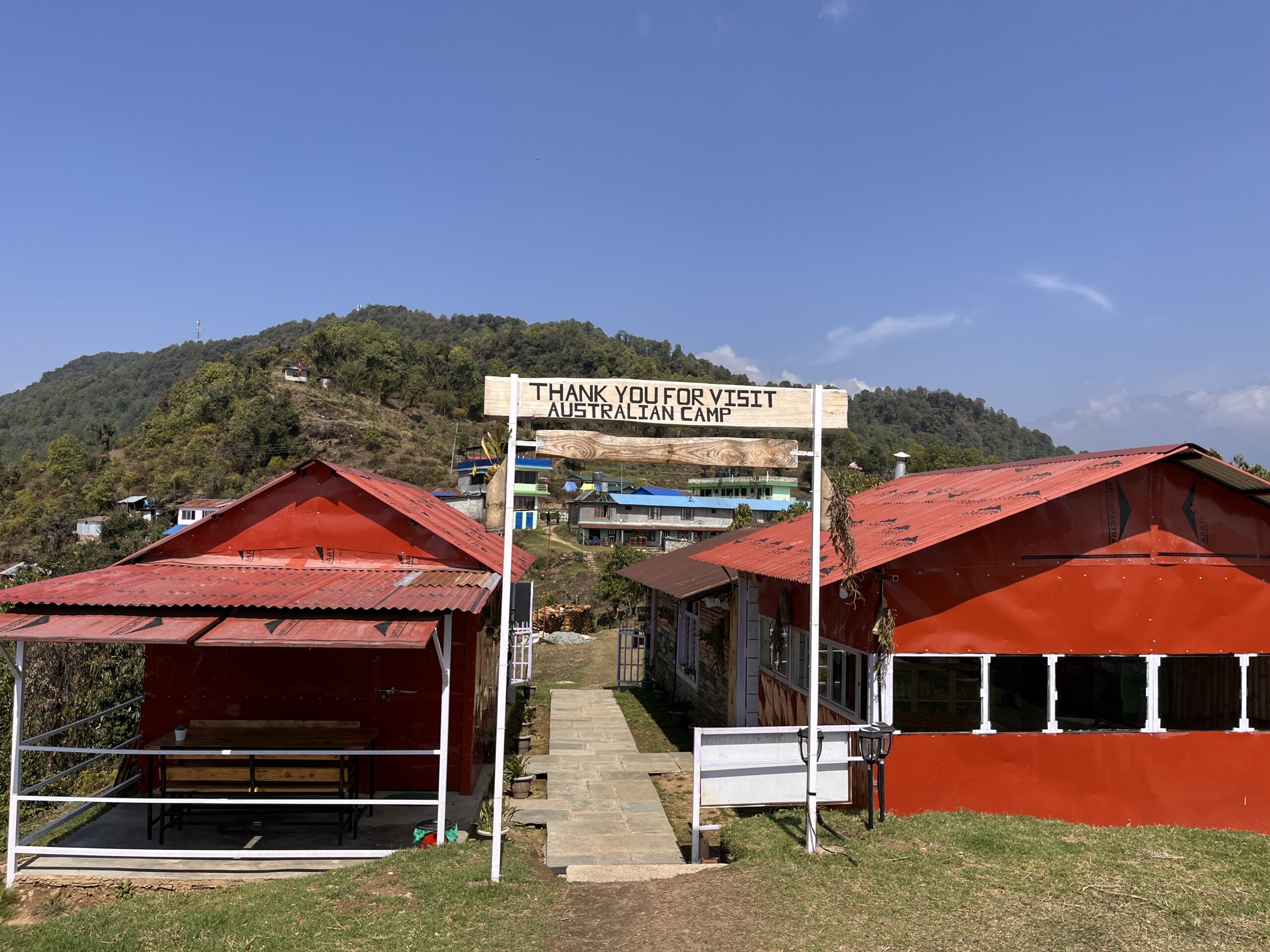
- Day 2Pokhara to Kande by road (1 hour), Trek to Pothana (1900 m) via Australian Camp (3.5 km)
- Day 3Trek from Pothana to Pitam Deurali (2100 m) and back
- Day 4Trek from Pothana to Dhampus (1650 m), 1 hour
- Day 5Trek from Dhampus to Phedi (1130 m), 1 hour drive to Pokhara
- Day 6Pokhara to Kathmandu by flight
- Day 7Kathmandu - Your City
Inclusions
- 3 nights in 3 or 4 star hotels on twin-sharing basis, 3 nights in teahouses
- Breakfast on all days. All meals during the trek
- Airport pickup and drop
- Flights from Kathmandu to Pokhara and back
- Transfers to/from start/finish of the trek by Jeep
- Trekking permits (TIMS card and ACAP)
- Guides and porters
- Travel insurance for guides and porters
Gallery
FAQ
Do I need a Nepal visa for the trip?
Indian passport holders do not require a visa. You will be able to enter Nepal with a passport or a Voter’s Id (these are the only two id’s that are accepted, Aadhar will not work).
Other passport holders will require a visa to enter Nepal. Visa can be procured on arrival at Kathmandu. If you plan to enter the country through any other border, you will need to apply for an e-visa prior to going to Nepal.
By what time should we reach Kathmandu on Day 1?
Please plan to reach Kathmandu by noon so that you can catch an afternoon flight to Pokhara
What kind of luggage can we get on this trip?
Please pack your luggage in a backpack or a duffel bag as they have to be carried by porters. They will not be able to carry suitcases.
Note that you will not have to carry all your luggage on the trek, you can leave behind some things in Pokhara – this can be packed in any luggage – even strolley bags.
What will the weather be like in March/April?
The average min/max temperature in Kathmandu is 21 and 10 deg C.
The average min/max temperature in Pokhara is 21 and 8 deg C.
It does rain occasionally, so please pack some rain gear too.
What will the weather be like in October/November?
The average min/max temperature in Kathmandu is 23 and 8 deg C.
The average min/max temperature in Pokhara is 23 and 12 deg C.
It does rain occasionally, so please pack some rain gear too.
Will there be proper toilets in all places?
Yes, there will be proper western toilets at all the places on this trek.
My children are younger than 7 yrs. Will they be able to do this trek?
The recommended minimum age for doing this trek is 7 yrs. However you are the best judge. If your child is physically active and is used to walking long distances, he or she should be able to do it. Adequate preparation is necessary though.
What kind of preparation do you recommend for participants?
Brisk walking – at least 3 km, 3 or 4 times a week, preferably on hilly terrain. Stair-climbing – at least 10 minutes of climbing up and down stairs everyday is highly recommended (start with 5 min of stair-climbing and gradually increase the duration). Do consult your doctor if you experience any unusual pain while exercising.
Are laundry facilities available?
Laundry facilities will be available in Kathmandu and Pokhara.
Will I need trekking shoes?
Yes, you will need proper trekking shoes. Choose a model that has ankle support and good soles. Trekking with sport shoes is not recommended on this trip. Please buy them as soon as you register for the trek and break them in.
Is mobile connectivity available throughout the trek?
Mobile connectivity is available at all the places. However connection will be spotty during the trek. Internet speeds will be very low. It is recommended you take an NTC SIM on arrival at Kathmandu – there is an NTC counter just outside the exit gate. Tip – carry a photo and a copy of your passport – you will need these to purchase a SIM.
All the hotels have WiFi.
Do we have to carry our own luggage while trekking?
No, you will only need to carry a day pack in order to carry some water, short-eats, personal medicines, etc. Porters will carry your luggage to the destination.
Do all the places where we will be staying have electricity?
Yes, all stops during the trek have electricity. However there could be frequent power cuts. Please get torches or headlamps with extra batteries, and power banks for your phones.
Are the power sockets the same as in India?
Yes, they use the same socket types in Nepal, so you will not need any adapters.
Is water safe to drink in these places?
Drinking water will be available everywhere during the trek. However, it’s better to carry personal water purifiers (Aquaguard and LifeStraw are two popular brands available online) and avoid bottled water.
Can we get hot water for bathing at all the places?
Yes, there are hot-water showers everywhere.
Is Indian currency accepted in Nepal?
Indian currency is accepted in most places in Kathmandu and Pokhara (only 100 rupee notes and below). But in smaller places, you will need Nepalese currency. You can convert INR to NPR at the airport or at a money changer’s in Kathmandu.
You will only find ATMs in Kathmandu and Pokhara, so please carry some cash on the trek, say at least NPR 5000.
