


Trip Advisor
-
 An experience worth having - An experience that should not be missed is how I would describe what I felt. The way the team makes you feel at home, very aware of how each member... read more

 Ramesh V
October 19, 2026


Dhakuri – Khati Winter Trek
Dhakuri – Khati Winter Trek

Description
Upcoming Group Trek Dates: 24th to 30th Dec 2026
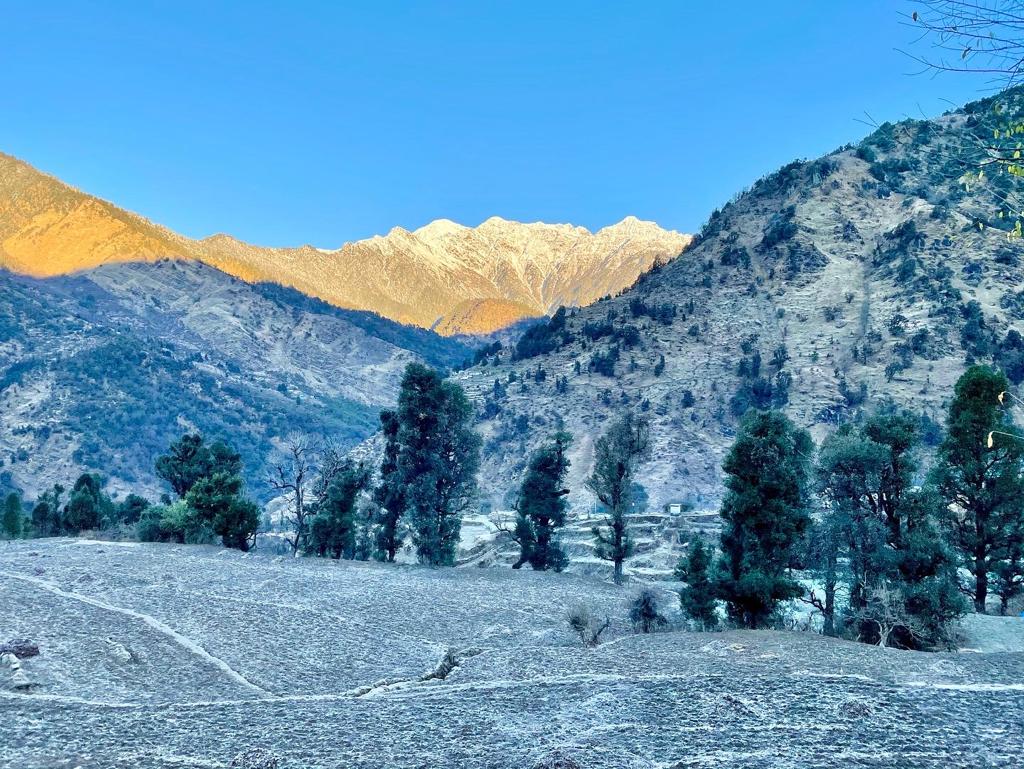
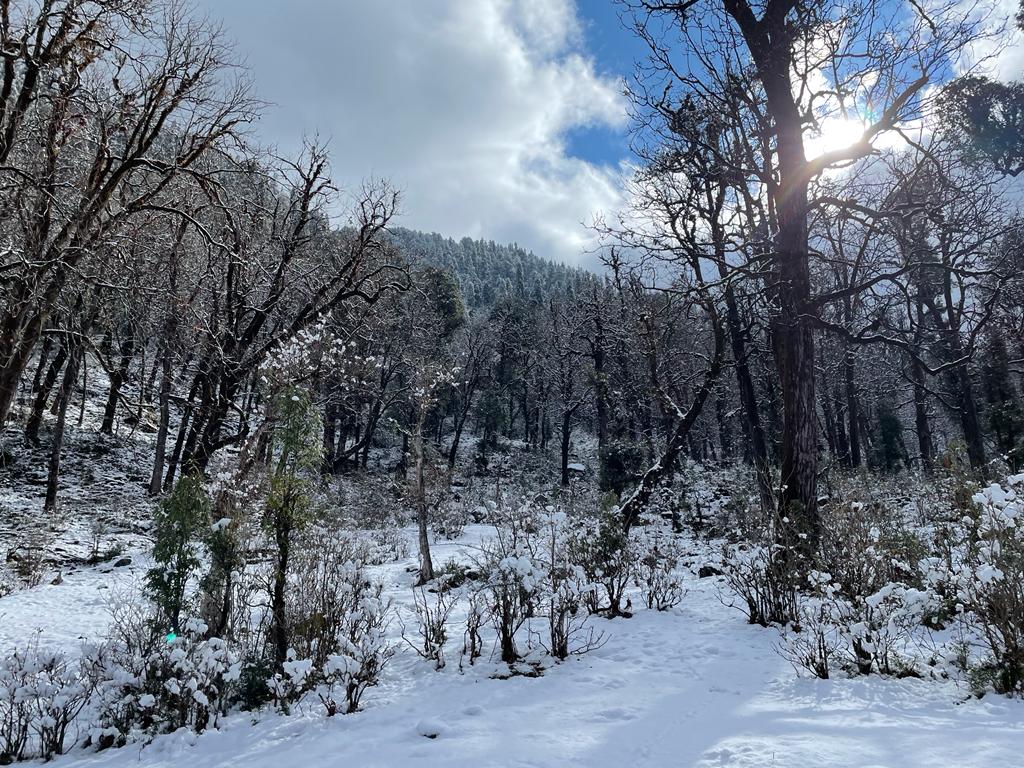
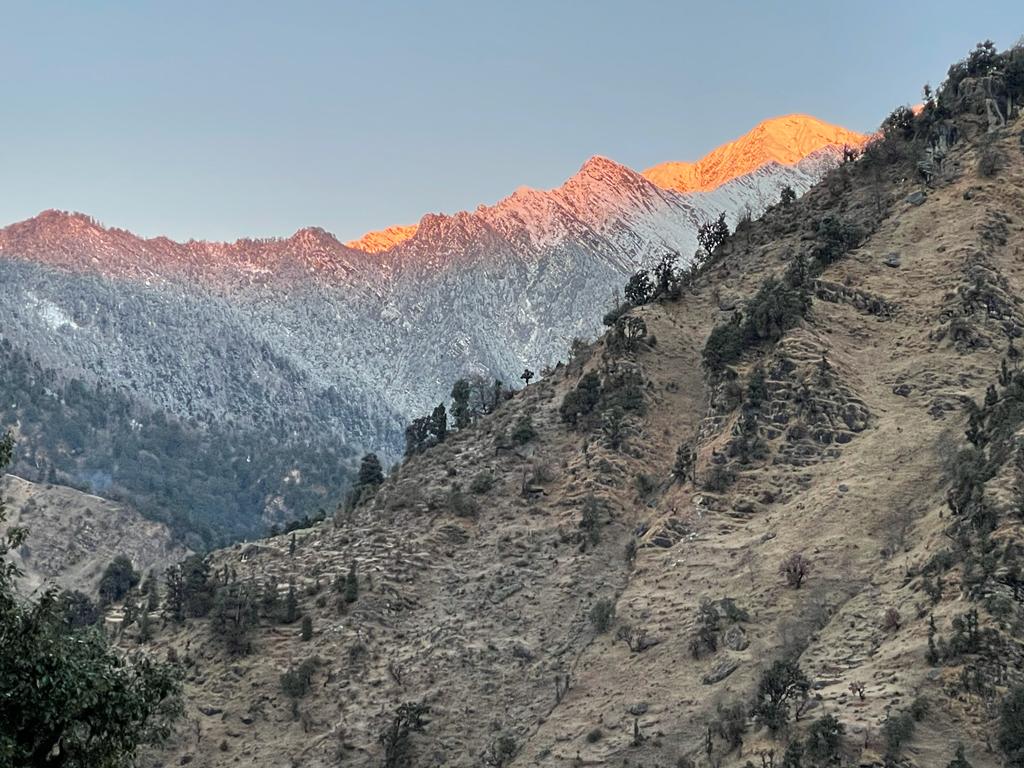
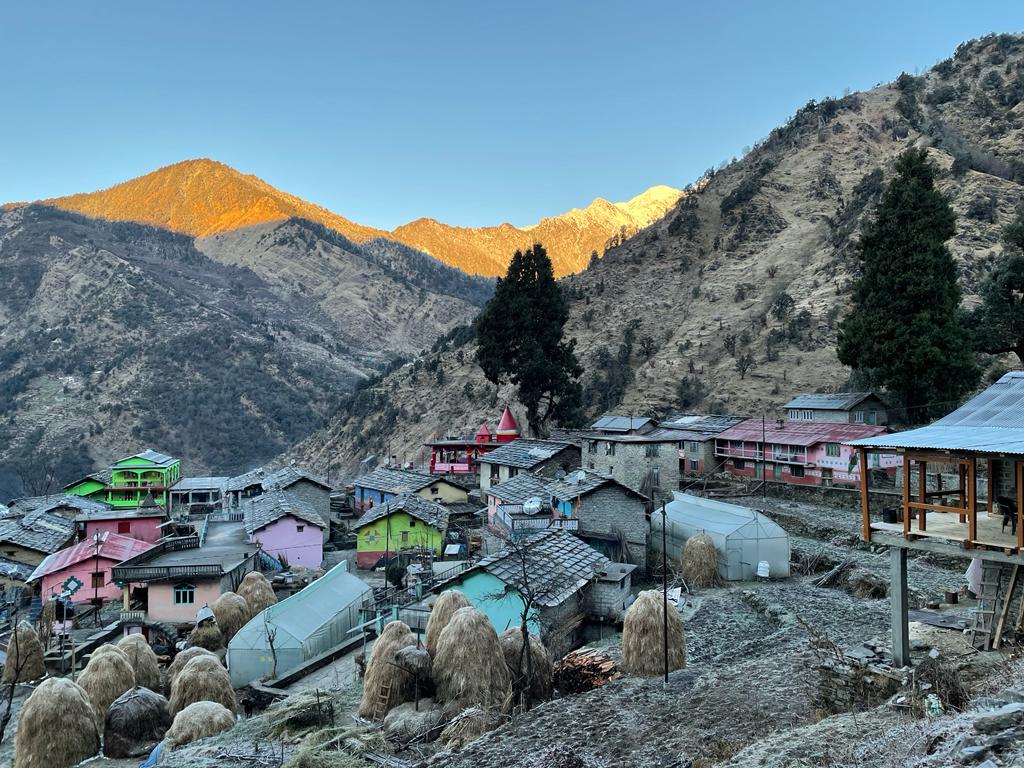
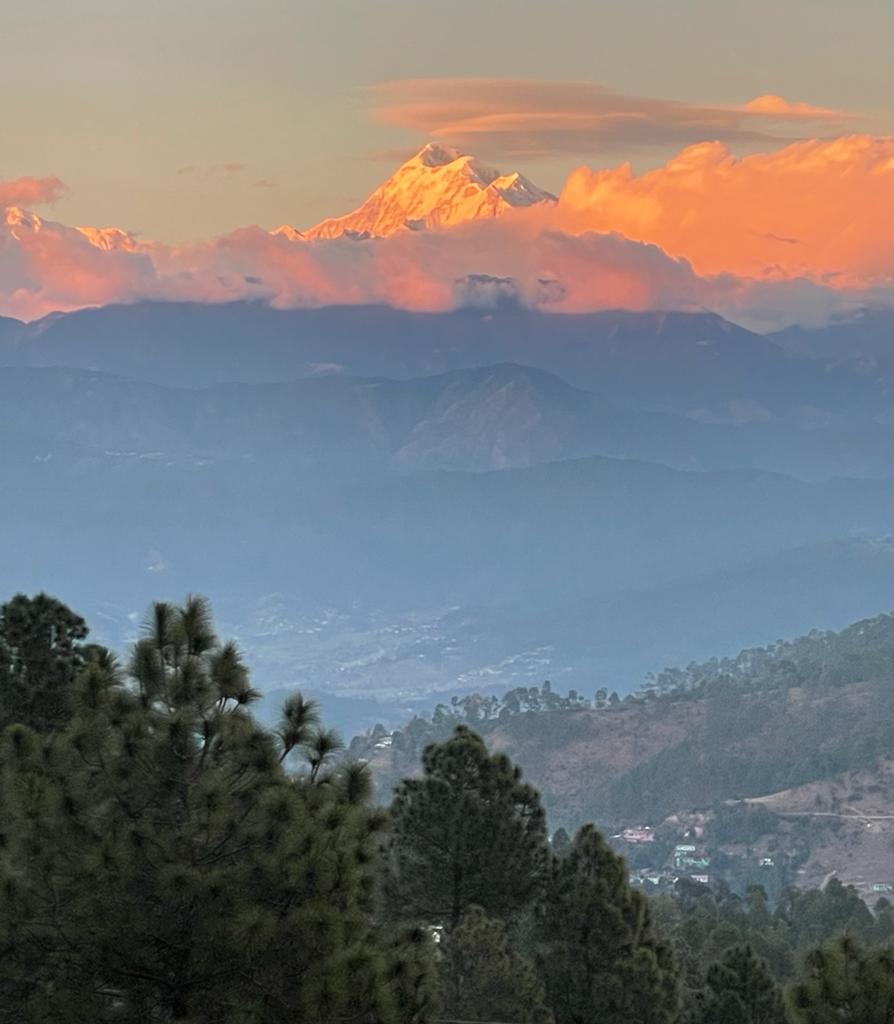
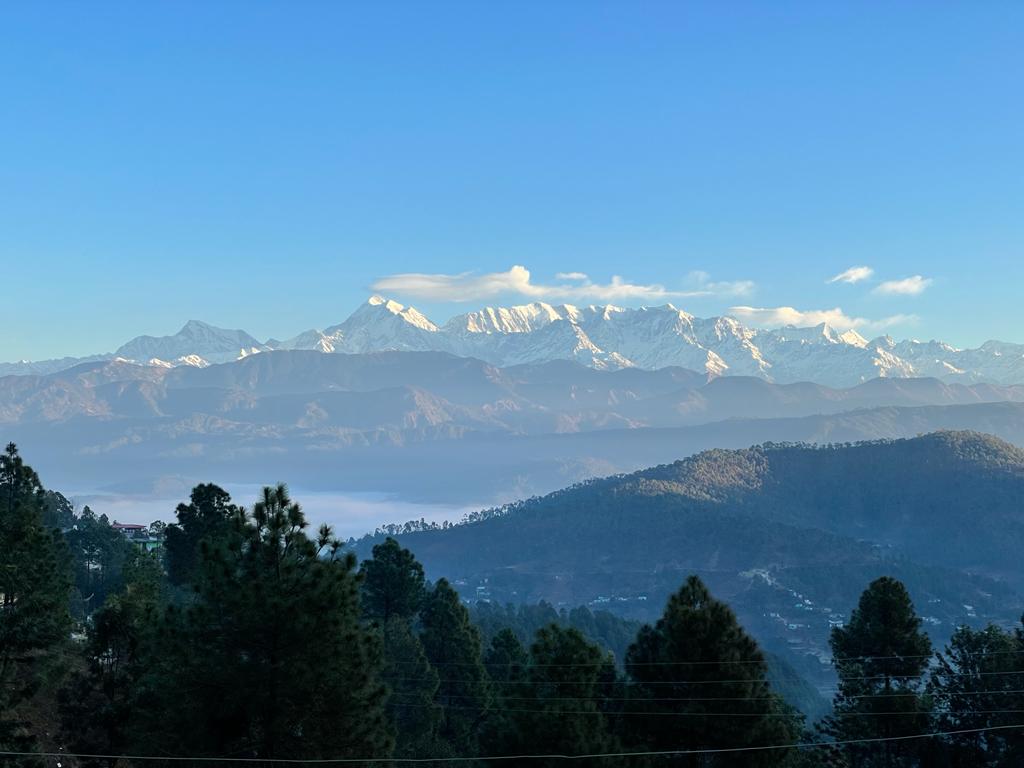
Dhakuri used to be a stop on the Pindari glacier trek route. However, due to construction of a road to Khati that bypasses Dhakuri, the lovely high-altitude meadows has passed into oblivion, for all practical purposes. But we believe Dhakuri is not to be ignored! The panoramic view of the lofty peaks of the southern rim of Nanda Devi sanctuary are simply irresistible. What’s more – Dhakuri serves as a base for hikes to other spots with stupefying views such as Chiltha Mai, Karmi Chiltha and Jaikuni bugyal. Being at 2800m, Dhakuri receives a fair amount of snow in the winter months to make it a memorable moderate winter trek. Khati is considered one among the most beautiful villages of Asia. Khati too is on the route to Pindari glacier. You will stay 2 nights at this enchanted village and hike to nearby spots
Itinerary
Inclusions
- 2 nights stay in a lodge in Dhakuri
- 2 nights stay in a lodge in Khati
- 1 night stay in a resort in Kausani
- 1 night stay in a heritage property in Ganghet near Jageshwar
- All meals (except lunch on Day 6) starting with dinner on Day 1 to breakfast on Day 7
- Ground transport – Kathgodam to Kathgodam
- Porterage for personal luggage – one 12 kg bag per person
- Trekking permits
- Guide charges
Gallery



FAQ
How difficult is the Dhakuri-Khati Winter Trek, and is it suitable for beginners?
It is a moderate winter trek with five trekking days. The longest days are Day 3 (about 9 km to Chiltha Mai and back) and Day 4 (about 8 km, 4 to 5 hours, from Dhakuri to Khati). The highest point is Chiltha Mai at 3,200 m. First-time trekkers who are active and can walk 8 to 10 km with a few breaks will manage it, and snow and cold add to the effort. We recommend a few weeks of regular walking or cardio beforehand.
What does a typical day on the trek look like?
Trekking days are short to moderate. Day 2 is a 5 to 6 hour drive to Dhoor Wachham, then a 3-hour hike to Dhakuri. Day 3 is a day hike to Chiltha Mai, with views of Trishul, Nanda Devi, Nanda Kot and Panchachuli, then back to Dhakuri. Day 4 is the 4 to 5 hour trek to Khati. Day 5 is an easy walk along the Pindari route to the Pindar river bridge and back. Day 6 is a 2 to 3 hour level walk to Kharkhiya, then a drive to Kausani.
When is the best time for this trek, and will there be snow?
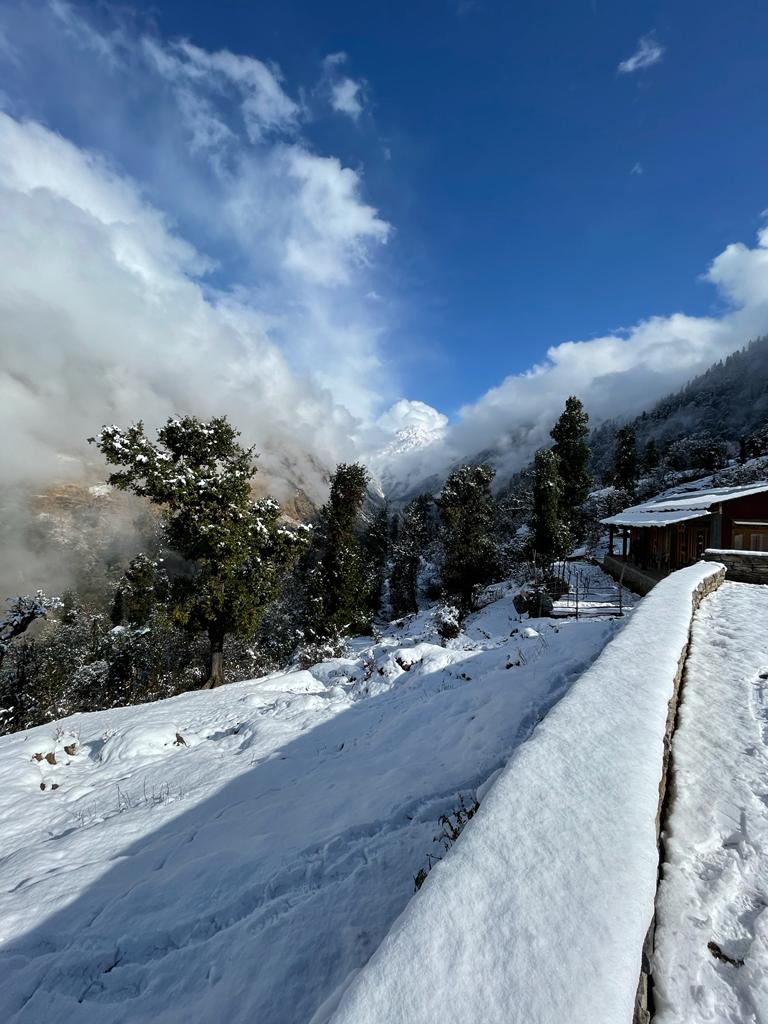
This is a winter trek, best from December to February. Dhakuri sits at 2,900 m and receives a fair amount of snow in winter, which gives the trek its character. Snow depth varies from year to year, so we can’t guarantee snow on every departure.
How cold does it get, and what should I pack?
Nights at Dhakuri and Khati can fall to -5°C, and days are around 5°C. Pack warm layers, a down jacket, waterproof outer layers, gloves, a woollen cap, sturdy waterproof trekking shoes, and microspikes or gaiters. We send a detailed packing list when you book.
How do I get to the start of the trek, and when do we return?
The trek starts and ends at Kathgodam, the nearest railhead. On Day 1, reach Kathgodam by noon and our vehicle takes you to Ganghet village, about 100 km away, arriving around 5 pm. On Day 7 we leave Kausani early for Kathgodam (4 to 5 hours), in time for the afternoon Shatabdi to Delhi, which departs at around 3 pm.
What does the trek cost, and what is included?
Please check the trek listing for the latest price and dates. The price covers 2 nights in a lodge at Dhakuri, 2 nights in a lodge at Khati, 1 night in a resort at Kausani, 1 night in a heritage property at Ganghet, all meals from dinner on Day 1 to breakfast on Day 7 (except lunch on Day 6), ground transport from Kathgodam back to Kathgodam, trekking permits, guide charges, and porterage for one 12 kg bag of personal luggage per person. GST is charged extra. Travel to and from Kathgodam, travel insurance, lunch on Day 6 and personal expenses are not included. Our group prices assume a group of 8, so private trips for smaller groups cost more.
Where do we stay, and what is the food like?
You stay in lodges and guesthouses in the mountain villages, a resort in Kausani and a heritage property in Ganghet, so there is no camping. Rooms are double-sharing at Ganghet, Khati and Kausani. At Dhakuri, accommodation is dorm-style with up to four people to a room. Meals are simple, freshly cooked local vegetarian food. Tell us about any special dietary needs and we will try to cater to them.
What will I see on the Dhakuri-Khati Winter Trek?
From Dhakuri and Chiltha Mai you get panoramic views of the southern rim of the Nanda Devi sanctuary, including Trishul, Nanda Devi, Nanda Kot and, to the east, Panchachuli. You also visit the Chiltha Mai temple dedicated to Nanda Devi, the high-altitude meadows of Dhakuri, and Khati, a village on the Pindar Ganga often called one of the most beautiful in Asia and the starting point for treks to the Pindari and Sunderdhunga glaciers.
How is the Dhakuri-Khati Winter Trek different from the Pindari Glacier trek?
Both treks are in the Pindar valley of Kumaon, both pass through Khati, and Outdoers rates both as moderate, but they are different experiences. The Pindari Glacier trek is an 8-day trip with 6 trekking days and about 46 km of walking, from Khati through Dwali and Phurkiya to Zero Point at 3,650 m, with 12 km and 16 km days and nights in rest houses or camps. It runs from mid-April to mid-June and mid-September to mid-November. The Dhakuri-Khati trek is a 7-day winter trip with 5 trekking days, no day longer than about 9 km, and nights in lodges, climbing through the snowy meadows of Dhakuri with views of the Nanda Devi sanctuary. It reaches 3,200 m on a day hike and does not go to the glacier. Choose Pindari for the glacier and the longer trek, and Dhakuri-Khati for a shorter winter trek in the snow.
How do you handle safety and altitude on this trek?
The highest point is 3,200 m, so altitude is mild. You sleep no higher than Dhakuri (2,800 m), and Chiltha Mai is a day hike from which you return to Dhakuri. Our guides are qualified wilderness first aid responders, every group carries a first-aid kit, and we have an emergency evacuation plan. We recommend travel insurance that covers trekking. Winter weather can affect roads and trails, and our guides adjust the plan to conditions.
Is the trek suitable for families with children?
Children aged 10 and above who are comfortable walking 4 to 5 hours a day should be able to do this trek. The short walking days, village stays and views suit active children, but the cold and snow make this a winter trek for children who enjoy the outdoors. Tell us the children’s ages and we’ll advise whether this trek or an easier one is the better fit.
Can I join a group departure or book this trek on my own dates?
You can do both. Upcoming group departures are listed at the top of this page, and solo travellers are welcome to join them. For a private trek on dates that suit you, for a family, friends, a school or a company, tell us the number of people and your dates, and we’ll send you a quote.
Is there electricity at the stays, and can I charge my phone and camera?
Yes, all our stops on this trek have electricity, but supply is very unreliable at Dhakuri and Khati, and there is no power back-up at either. At Ganghet and Kausani, power is more dependable. Carry a fully charged power bank (10,000 mAh or more) and a spare camera battery, and charge everything fully at Ganghet before heading up to Dhakuri. Cold drains batteries faster, so keep them in an inner pocket or your sleeping bag at night.
Will my phone work on the trek, and is there internet?
Network coverage varies by stop. At Ganghet, Jio and BSNL work best, and Wi-Fi is available in the dining area only. At Kausani, all networks work. At Dhakuri and Khati, only BSNL works for voice calls, and it is quite unreliable, so please don’t count on mobile internet there. Plan to be mostly offline for the middle of the trek, and tell your family and colleagues in advance when you will be out of reach. In an emergency, our guides will go to the nearest spot with phone connectivity and contact your emergency contact.