


Trip Advisor
-
 First trek experience - We truly had a wonderful experience visiting various places. Our guide's empathetic nature and presence of mind made our trip spectacular. His calm demeanor at every situation made us feel... read more
 SriBhavya S
June 8, 2025


Har-ki-doon Valley Trek
Har-ki-doon Valley Trek

Description
Upcoming Group Trips: 28th Mar to 3rd Apr 2026
Har-ki-doon translates to ‘Valley of Gods’, and the valley of Gods it is!
Har-ki-doon valley is situated in Govind Pashu National Park in the upper reaches of Garhwal Himalayas. The area was declared a national park in 1955 in order to protect wildlife such as the elusive snow leopard, brown bear, flying squirrel and a variety of birds.
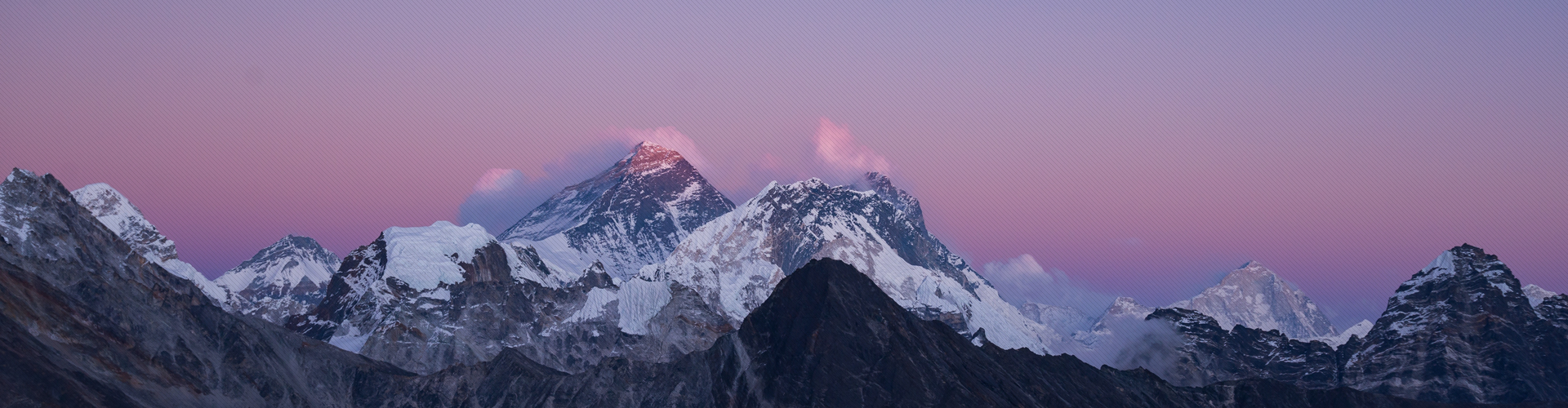
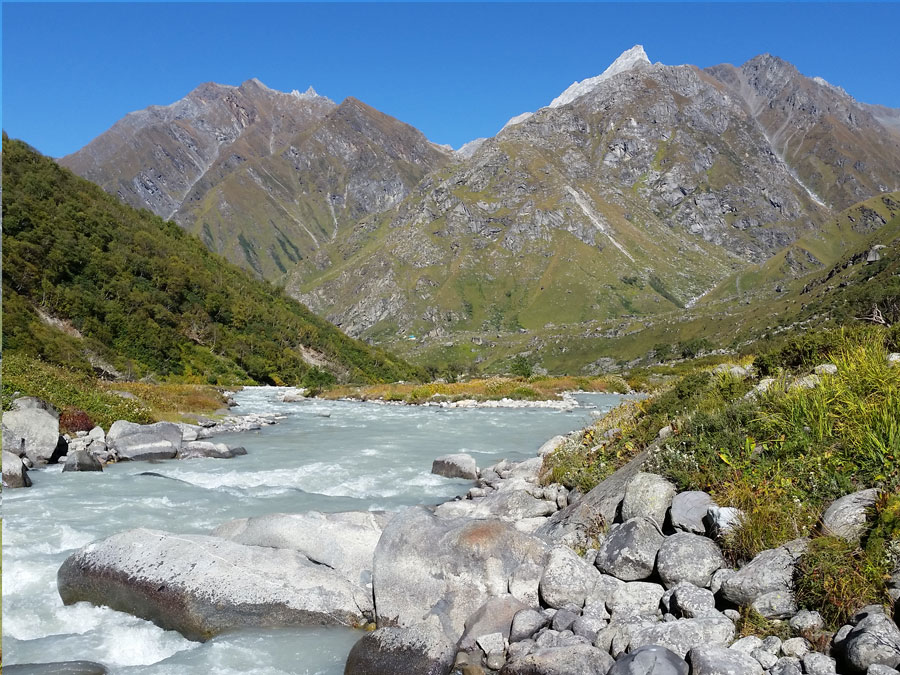
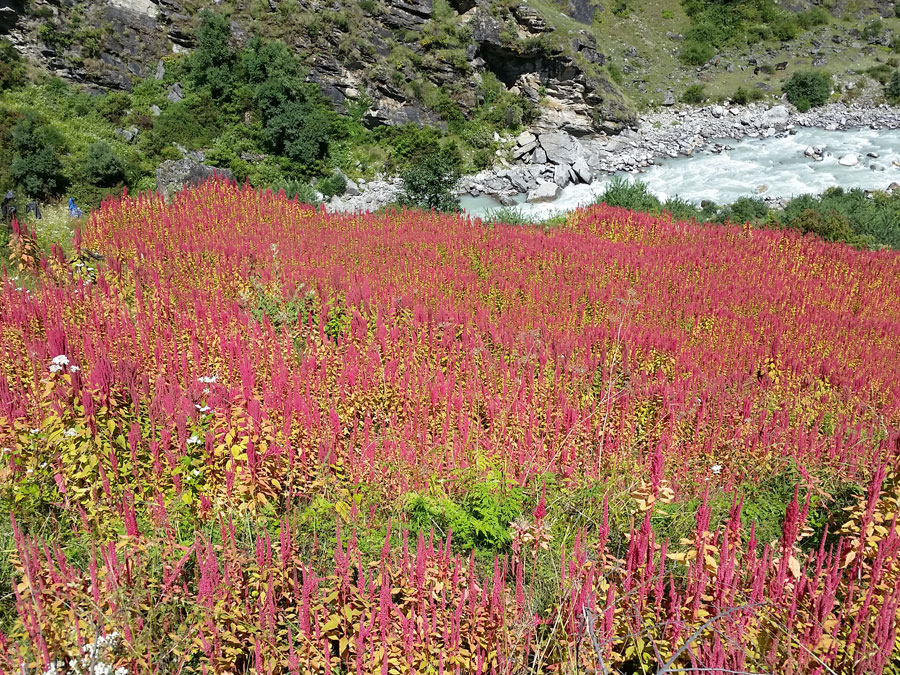
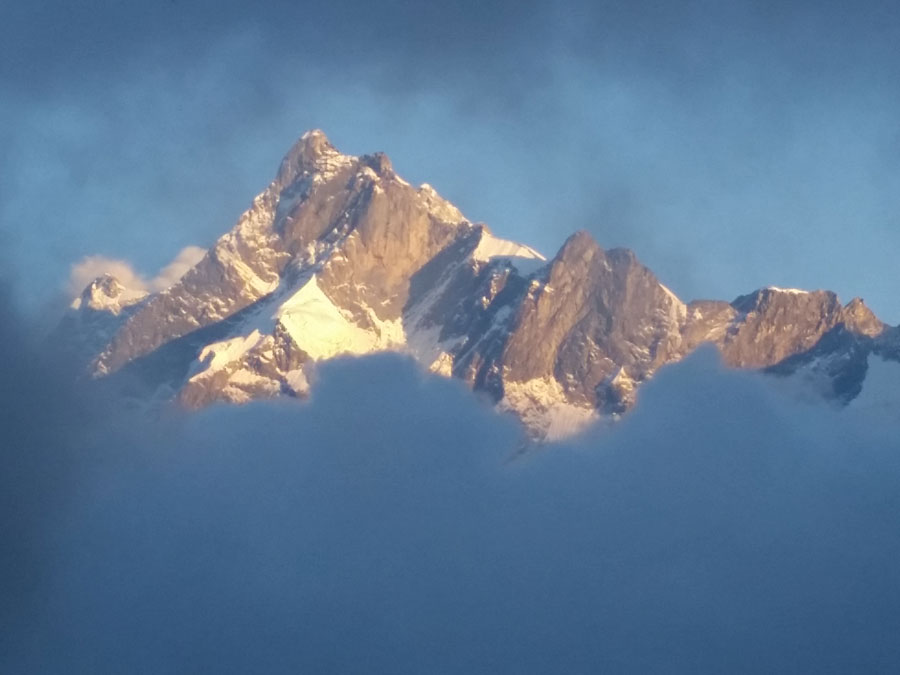
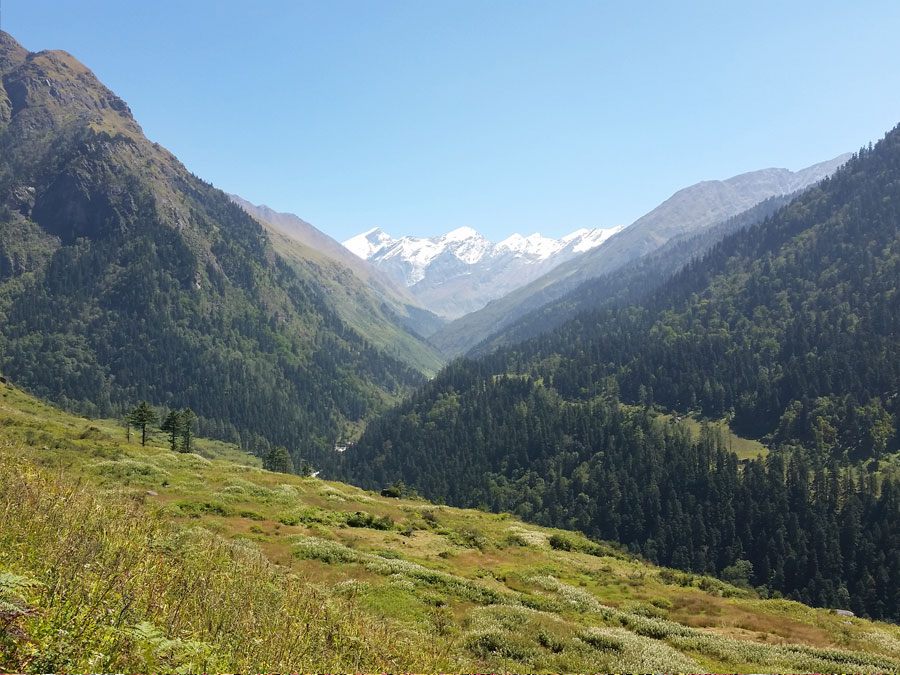
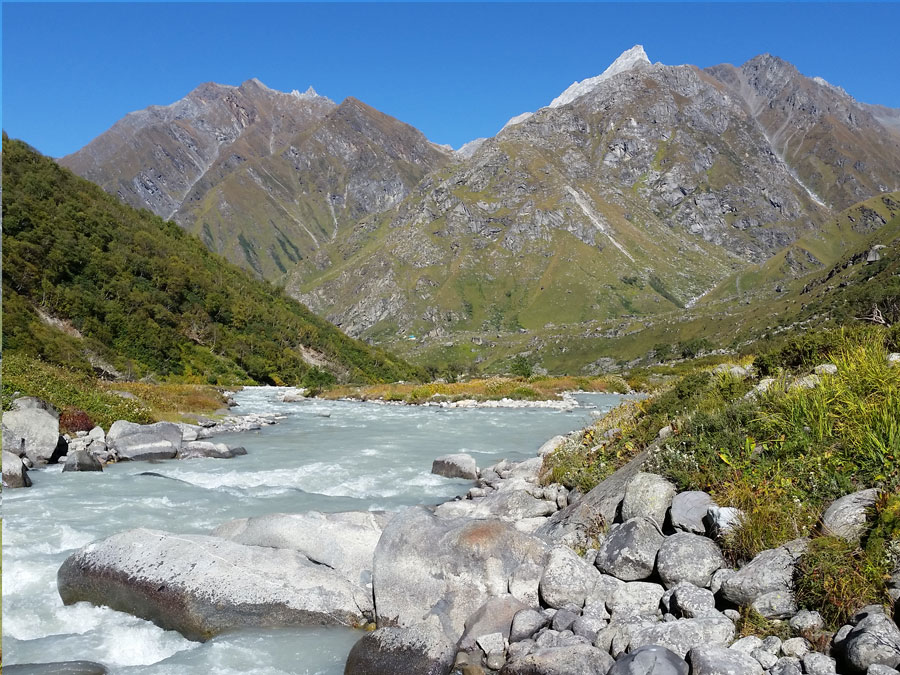
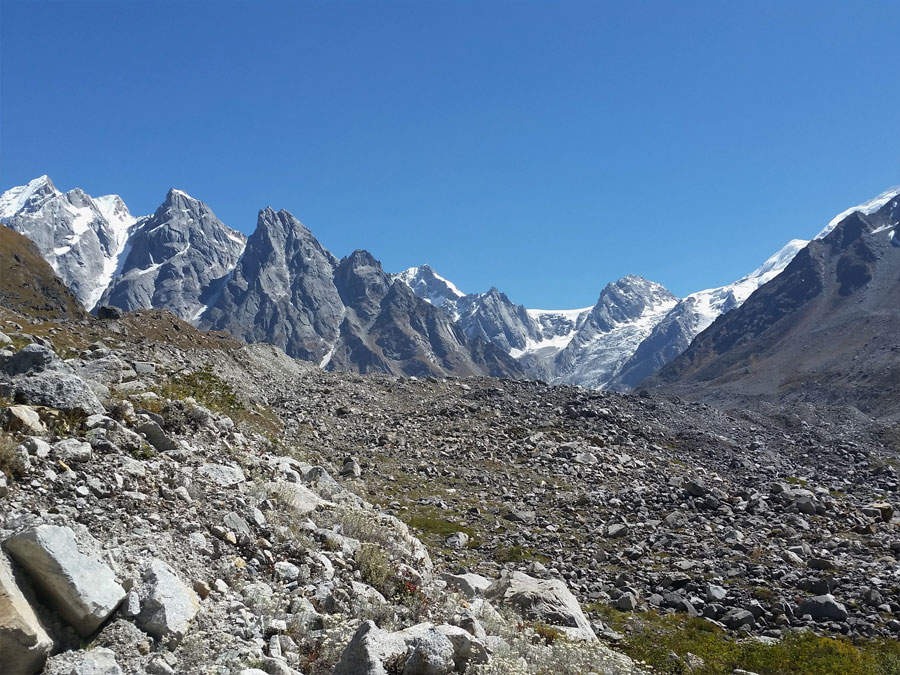
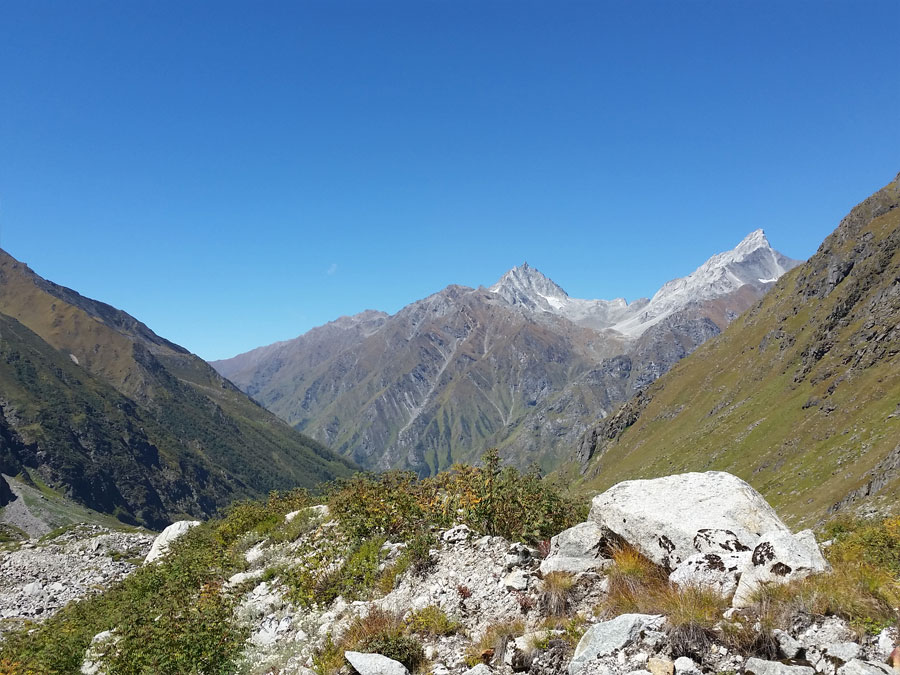
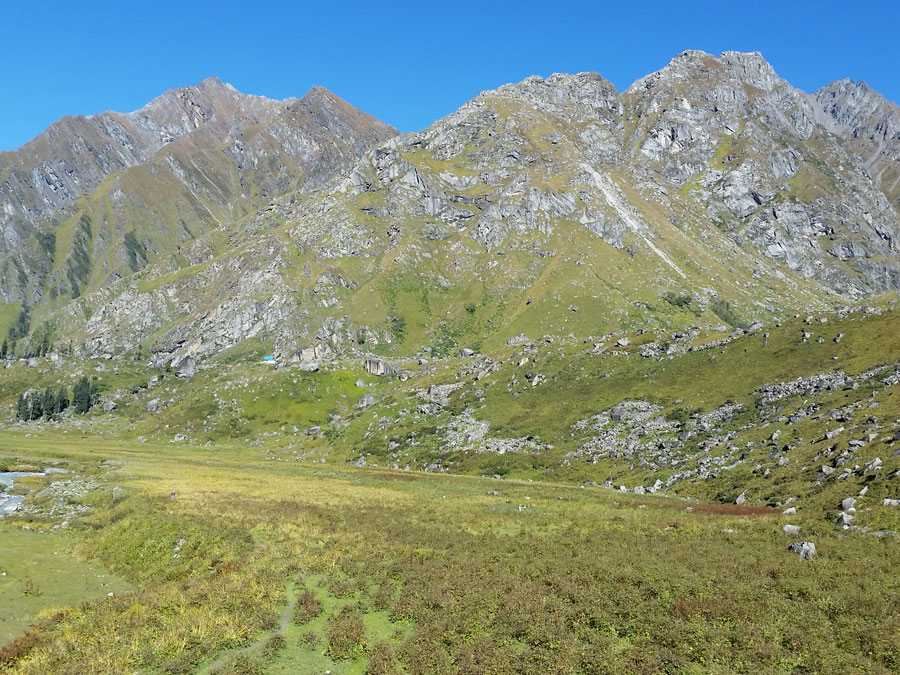
River Supin keeps one company all along the trek, gurgling and meandering through the valley. Unlike on most trekking routes in the Himalayas, the picturesque campsites next to the river are expansive.The wide valley offers great views of towering snow-clad peaks. The meadows at Har-ki-doon are a sight to behold just after the monsoons, with acres and acres of wild flower blooms. Swargarohini (6252m) is the most impressive peak visible from Har-ki-doon while Bandarpoonch, Kalanag and innumerable other 5000m+ peaks can also be seen.
Those wanting a tougher hike in the mountains can do the one-day trek from Har-ki-doon to Jaundar glacier and back.
Itinerary
- Day 1Dehradun - Sankri
- Day 2Sankri to Ganghat (15km, 1-hour drive) | Trek to Osla (5km, 3 to 4 hours)
- Day 3Osla - Boslo (11km hike, 6 hours)
- Day 4Boslo - Har-ki-doon - Marinda Tal - Boslo
- Day 5Boslo to Devsu Bugyal (7 km, 4-hour hike)
- Day 6Devsu Bugyal - Ganghad (6 km, 3-hour hike) | 15 km, 1-hour drive
- Day 7Sankri - Dehradun
Inclusions
- Accommodation on twin/double sharing basis in a guesthouse in Sankri on Day 1 and Day 6
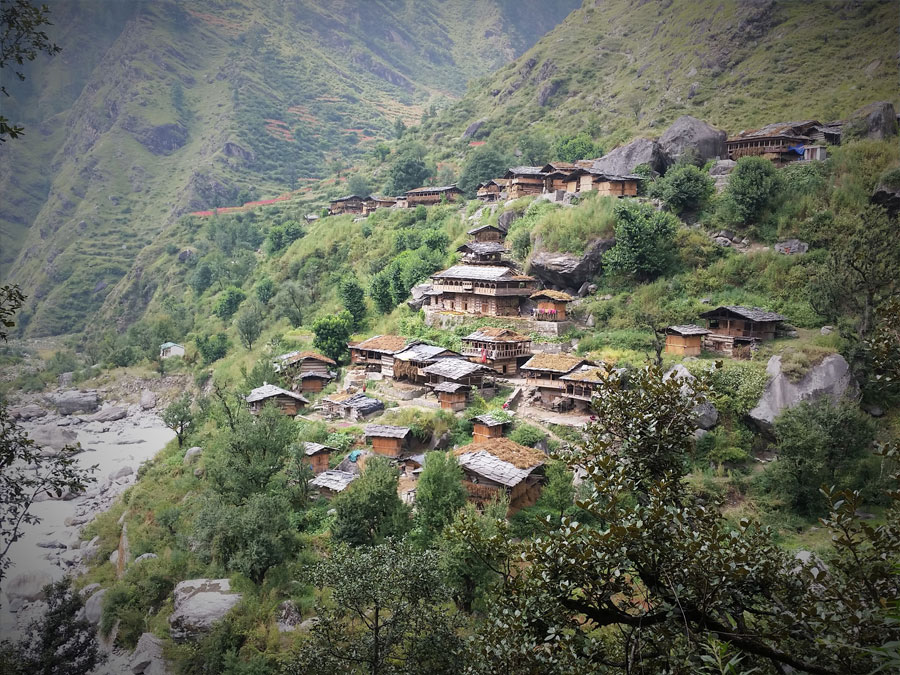
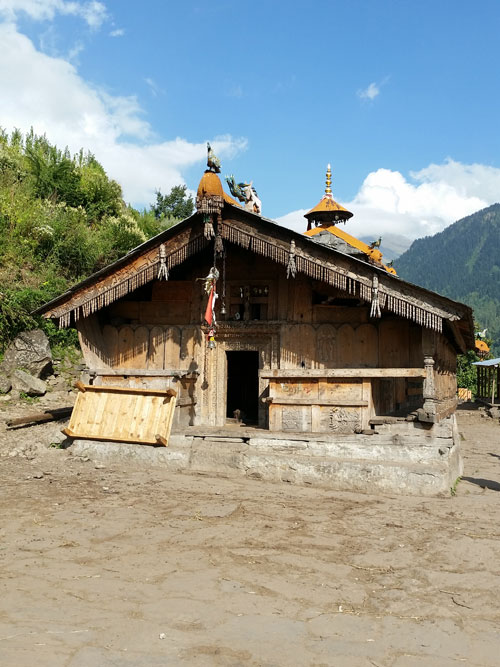
- Accommodation in a homestay in Osla on Day 2
- Accommodation in tents (2 people per tent) on all the other days
- All meals starting with evening tea & snacks on Day 1 to breakfast on the Day 7
- Garhwali thali on Day 1 and Day 6
- Trek leader and professional trek guide
- Clean sleeping bags and warm liners
- Air Mattresses and Pillow
- Dining tent, camping chairs, dining table etc.
- Toilet tents with a portable toilet seat
- Crampons and gaiters if required
- First-aid kit
- Forest entry charges for Indian nationals
Gallery
FAQ
What kind of accommodations are provided during the trek?
Accommodation will be on twin/double sharing basis in a guesthouse in Sankri on Day 1 and Day 6
Accommodation in a homestay in Osla on Day 2
Accommodation in good quality 2-man tents on all the other days
What's the weather we can expect?
In the spring season (March and April), the day temperatures can vary between 10 and 20C while the night temperatures can be close to 0C.
In summer (May and June), days will be slightly warmer at around 15 to 26C and the min temperature will be between 5 and 10C.
In autumn (Sep to Nov), the max temperature is likely to be between 8 and 20C and the minimum is likely to be below freezing at some of the places in October and November
Will there be clean toilets and bathrooms in all places?
There will be proper clean toilets at the guesthouse/homestay in Sankri and Osla. In the other places, we will pitch a toilet tent and provide a toilet seat.
What is the total distance covered during the trek?
The total distance is approxiamtely 44 kms.
What is the recommended minimum age for this trek?
This trek can be done by children above 8 years, and adults. But more than the age, physical fitness is important. Children who are younger than 8 may be able to do the trek too.
Can we leave some luggage back in Sankri?
Yes, luggage that you don’t need on the trek can be safely left behind in the guesthouse in Sankri.
Is electricty available in all the places?
Sankri and Osla are connected to the grid but not the other stops on this trek.
Is there phone connectivity on the trail?
BSNL and Jio work in Sankri. BSNL works in Osla but you cannot expect reliable service at the other places on the trail.
Do we have bathing facilities on the trail?
Sankri and Osla have attached bathrooms with showers. There are no bathing facilities in the rest of the places.
Are laundry facilities available?
No, there are no laundry facilities available anywhere on this trek.
Do we have to carry our own luggage?
No, you will only need to carry a backpack in order to carry some water, short-eats, personal medicines etc. We will either use mules to move luggage between stops.
Can I use sports shoes or do I need to buy trekking shoes?
It is important to have good trekking shoes for this trek.
Is water safe to drink in these places?
Water is mostly safe to drink everywhere. However it is highly recommended that you carry your own personal water purifiers (LifeStraw is one popular brand available online).
What are the things to pack for the trek?
We will send you a trek checklist when you register.
What kind of preparation is recommended for this trek?
Here are some of the things you can do:
- Brisk walking, running or swimming.
- Stair-climbing
- Strength training
- Pranayama